The rapid growth of artificial intelligence (AI) and data centers is driving an unprecedented surge in electricity demand worldwide.
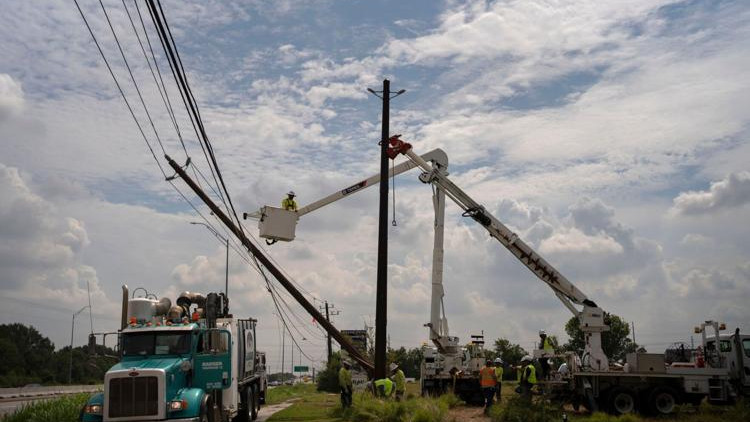
This has led to a massive investment by utilities in grid upgrades and new transmission infrastructure, as reported by industry analysts.
The increased power consumption is attributed to the growing need for high-performance computing systems and data storage facilities that support AI applications.
According to a recent report, the global demand for electricity is expected to rise by 10% annually over the next decade, driven largely by the expansion of AI and data center operations.
The investment in power grids and transmission infrastructure is estimated to reach $1.4 trillion over the next five years, with many countries scrambling to upgrade their grid capacity to meet the growing demand.
Utility companies are investing heavily in renewable energy sources, such as solar and wind power, to reduce their reliance on fossil fuels and mitigate the impact of climate change on electricity generation.
The increased investment in power grids and transmission infrastructure is also expected to create new job opportunities in the clean energy sector, with many experts predicting a significant boost to economic growth in the coming years.
However, the rapid expansion of AI and data centers has also raised concerns about the environmental impact of these operations, including the generation of e-waste and the consumption of non-renewable resources.
As the world grapples with the challenges of climate change and sustainable energy production, the role of power grids in supporting the growth of AI and data centers will become increasingly important.
According to a report by the International Energy Agency (IEA), the global data center market is expected to reach $194 billion by 2025, driven largely by the growing demand for cloud computing services.
The IEA also notes that the expansion of AI and data centers will require significant investments in power grids and transmission infrastructure, as well as new technologies for energy storage and distribution.
Industry analysts predict that the global power grid market will reach $1.2 trillion by 2027, driven largely by the growing demand for renewable energy sources and energy-efficient solutions.
The investment in power grids and transmission infrastructure is expected to be driven by governments, utility companies, and private investors, with many countries offering incentives for companies that invest in clean energy projects.
However, the rapid expansion of AI and data centers has also raised concerns about cybersecurity risks, including the potential for hacking and data breaches.
The increasing reliance on cloud computing services has also highlighted the need for robust cybersecurity measures to protect against cyber threats.
As the world becomes increasingly dependent on technology, the importance of reliable power grids and secure energy systems will become increasingly critical.




0 Comments
Join the Conversation
Sign in to leave a comment and be part of the Pyrupay community.
Registration is free and takes less than a minute.