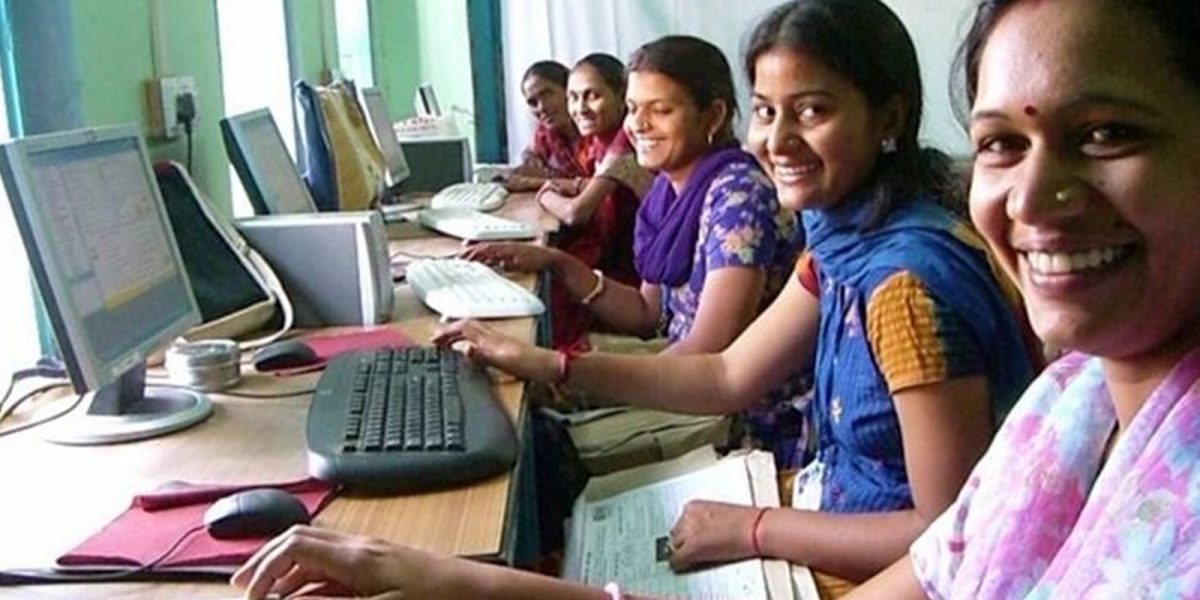
Despite improved job prospects in big cities, women continue to face a stark gender disparity in income. A recent study has found that the biggest cities in the country offer better salaries, more regular jobs, and greater career advancement opportunities for women compared to smaller towns and rural areas.
According to the research, women are more likely to be employed in big cities than men, with nearly 3 out of every 4 women working in urban areas. In contrast, only 1 out of every 4 women are employed in smaller towns and rural areas. This disparity is even more pronounced when it comes to higher-paying jobs, with men earning significantly more than women in the same roles.
The study suggests that this gender gap is partly due to societal attitudes and biases. Many women are hesitant to pursue careers in high-paying fields or take on leadership roles, fearing they will be perceived as too assertive or aggressive. Additionally, many companies lack diversity and inclusion initiatives, making it difficult for women to find supportive work environments.
Furthermore, the study found that women from underrepresented groups face even greater barriers to employment and career advancement. Women of color, for example, are more likely to experience discrimination and bias in the workplace, which can lead to lower pay and limited opportunities for promotion.
To address this issue, many companies are implementing diversity and inclusion initiatives aimed at promoting gender equality. These initiatives include training programs, mentorship schemes, and flexible work arrangements. Some companies are also recognizing the value of diverse teams and actively seeking out women from underrepresented groups to fill leadership roles.
In conclusion, while big cities offer better job prospects for women, there is still much work to be done to address the gender disparity in income. Companies must prioritize diversity and inclusion initiatives, and individuals must challenge societal attitudes and biases that perpetuate this disparity. By working together, we can create a more equitable and inclusive workplace culture.”




0 Comments
Join the Conversation
Sign in to leave a comment and be part of the Pyrupay community.
Registration is free and takes less than a minute.