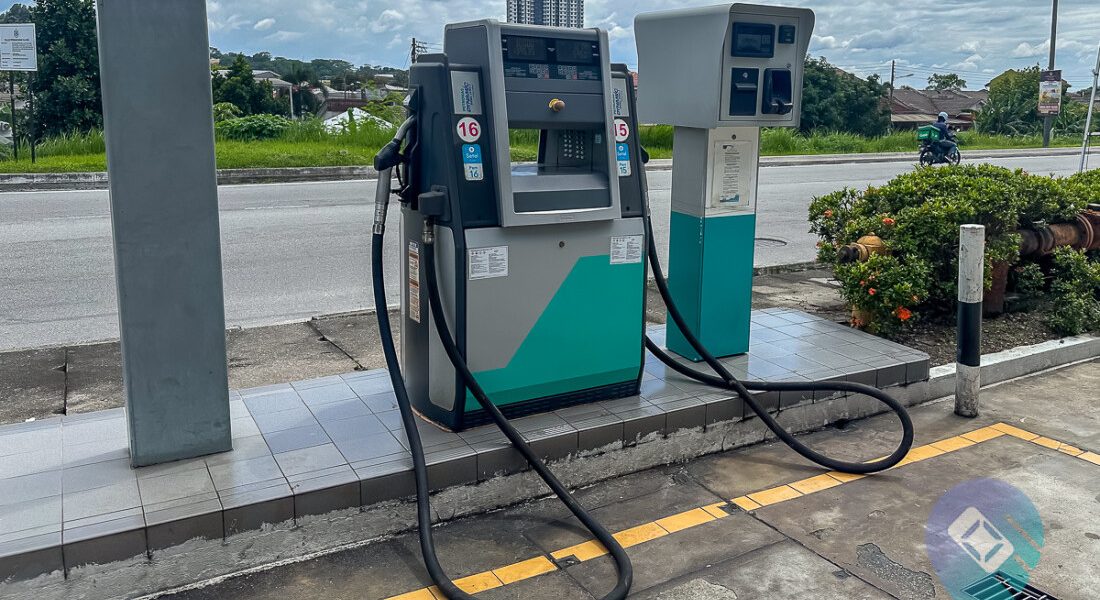
Diesel markets are expected to remain under pressure until mid-2027, according to the International Energy Agency (IEA). The agency has warned that depleted inventories and refinery bottlenecks will delay the recovery of diesel supplies.
The IEA’s latest report highlights the ongoing challenges facing the global diesel market, which have been exacerbated by the COVID-19 pandemic and the war in Ukraine. The crisis has led to a shortage of key feedstocks, such as distillates and heavy fuel oils, which are used to produce diesel.
According to the IEA, the current tightness in the diesel market is not expected to ease until at least mid-2027. This is due to a combination of factors, including depleted inventories, refinery bottlenecks, and supply chain disruptions.
The IEA has also warned that the shortage could have significant implications for the global economy. Diesel is a critical component in many industries, including transportation, manufacturing, and power generation.
The agency’s report highlights the need for policymakers to take urgent action to address the diesel shortage. This includes investing in new refinery capacity, improving supply chain efficiency, and developing alternative energy sources.
In the short term, the IEA recommends that countries implement measures to reduce demand for diesel, such as increasing fuel efficiency standards and promoting the use of alternative fuels.
The diesel shortage is also having a significant impact on the global economy. The price of diesel has risen sharply in recent months, making it more expensive for businesses and consumers alike.
According to some analysts, the diesel shortage could have far-reaching implications for the global economy. It could lead to higher inflation, reduced economic growth, and increased volatility in financial markets.
In conclusion, the IEA’s warning about the persisting diesel shortage is a clear indication that policymakers need to take urgent action to address this critical issue. The long-term consequences of inaction will be severe, and it is essential that we take steps to mitigate the impact of this shortage on the global economy.


0 Comments
Join the Conversation
Sign in to leave a comment and be part of the Pyrupay community.
Registration is free and takes less than a minute.