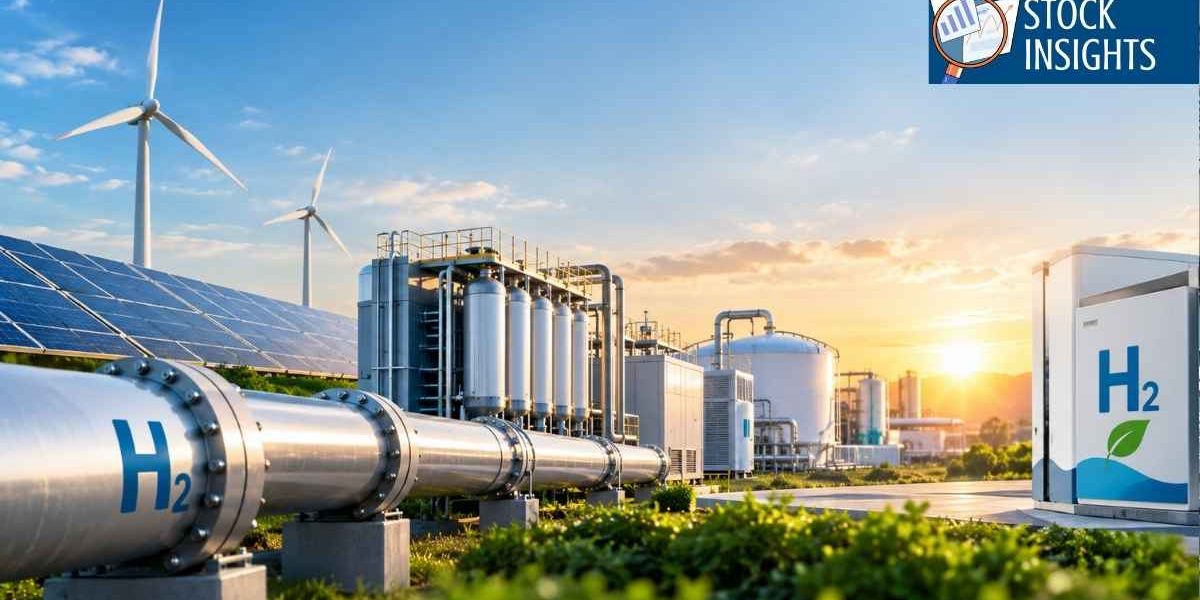
India’s ambitious plan to become a major player in the global green hydrogen market is gaining momentum, with several companies positioning themselves to capitalize on the growing demand for clean energy.
The Indian government’s push for green hydrogen has garnered significant attention, with the country aiming to achieve a production capacity of 5 million tonnes per annum (MTPA) by 2028. This ambitious target is part of India’s broader effort to reduce its dependence on fossil fuels and mitigate climate change.
As countries worldwide shift towards clean energy sources, the global green hydrogen market has experienced significant growth in recent years. The market is expected to continue its upward trajectory, driven by increasing demand from industries such as chemicals, transportation, and power generation.
Three Companies at the Forefront of India’s Green Hydrogen Efforts
- Adani Green Energy:
- Tata Steel:
- JSW Energy:
Adani Green Energy is one of the leading players in India’s green hydrogen space. The company has set up a 1,000 MW green hydrogen production facility in Gujarat and plans to expand its capacity further.
Tata Steel has also entered the green hydrogen market with its plan to produce 200,000 tonnes of green hydrogen per annum. The company aims to use this clean energy source to power its steel production facilities.
JSW Energy is another major player in India’s green hydrogen market. The company has announced plans to set up a 1,500 MW green hydrogen production facility in Telangana and aims to produce 100,000 tonnes of green hydrogen per annum.
The success of these companies will be crucial in helping India achieve its ambitious target of becoming a major player in the global green hydrogen market. As the demand for clean energy continues to grow, Indian companies will need to remain competitive and innovative to stay ahead in this rapidly evolving space.



0 Comments
Join the Conversation
Sign in to leave a comment and be part of the Pyrupay community.
Registration is free and takes less than a minute.