
The price of gold plummeted on Monday, falling by over 2% to a seven-week low as investors grew increasingly worried about the possibility of interest rate hikes from the Federal Reserve.
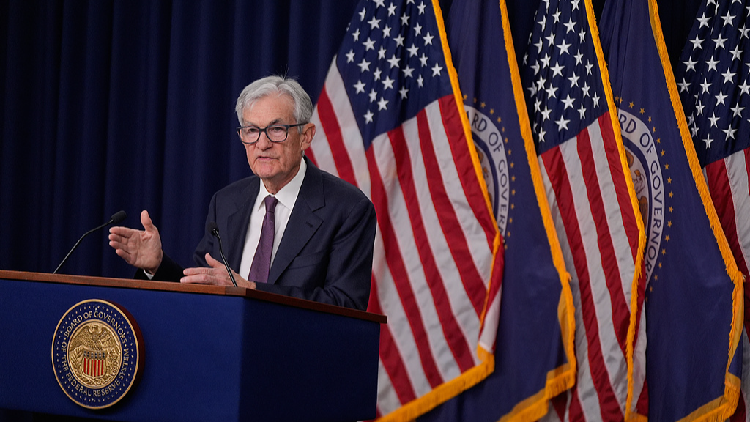
The sharp decline in gold prices was sparked by remarks made by Federal Reserve Governor Christopher Waller, who warned that if the Consumer Price Index (CPI) rises this week, the Fed should consider raising interest rates to combat inflation.
Waller’s comments sent shockwaves through the markets, with investors rapidly reassessing their expectations for monetary policy and adjusting their positions accordingly.
The gold price had been relatively stable in recent days, but Waller’s warning has raised concerns that the Fed may be ready to take action if inflation remains above target levels.
Gold prices have fallen by over 15% since the Fed began raising interest rates last year, and many investors expect further declines if the Fed continues its tightening cycle.
The impact of Waller’s warning on gold prices is still unclear, but analysts say that a rise in interest rates would likely increase the value of the US dollar and reduce demand for safe-haven assets like gold.
“If inflation remains above target levels, we expect the Fed to take more aggressive action to combat it,” said one analyst. “This would likely lead to higher interest rates and a stronger US dollar, which would be bearish for gold prices.”
Gold prices are now hovering around $1,600 per ounce, down from a peak of over $2,000 earlier this year.
The Fed’s policy decisions have been closely watched by investors and analysts in recent months, as they seek to gauge the strength of the US economy and inflation outlook.
Waller’s comments have added to the uncertainty surrounding monetary policy, but many expect that the Fed will continue to take a cautious approach for now.
“The market is pricing in some level of probability of rate hikes, but we don’t think the Fed is ready to do that yet,” said another analyst. “There are still several factors to consider before they make any decisions on interest rates.”
Inflation remains a major concern for policymakers, with the CPI rising by 2.5% year-on-year in January.
The Fed has set an inflation target of around 2%, and many expect that it will remain below this level for several months to come.
However, some economists argue that the CPI reading could be overstated, and that inflation may actually be lower than initially thought.
“The CPI number can be skewed by one-off events like changes in seasonal demand or supply chain disruptions,” said a third analyst. “It’s possible that inflation is not as high as it looks.”
Despite the uncertainty, many investors expect the Fed to remain vigilant about inflation and take further action if necessary.


0 Comments
Join the Conversation
Sign in to leave a comment and be part of the Pyrupay community.
Registration is free and takes less than a minute.