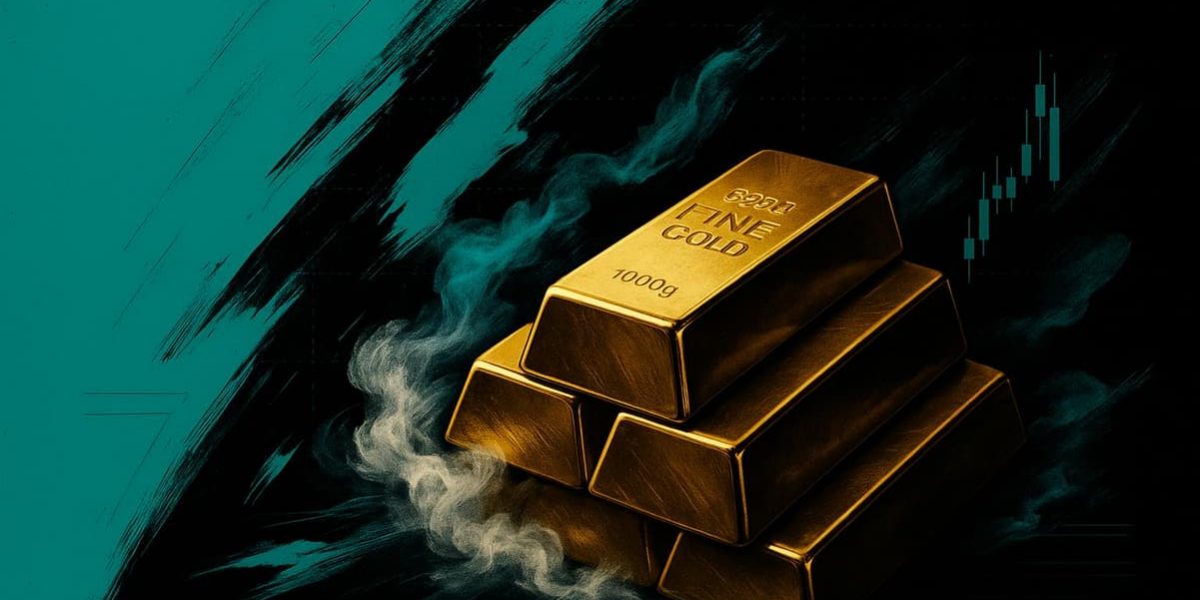
\u00a0\u00a0\u00a0U.S. GDP growth rate surges to 4.3%, sparking hawkish Fed expectations and driving down gold prices. Traders are betting on a tighter monetary policy, with the Federal Reserve expected to increase interest rates again in the coming months. The recent data has led to a significant decline in gold prices, with the metal currently trading below $3500 per ounce.\u00a0\u00a0\u00a0Gold is seen as a safe-haven asset during times of economic uncertainty, but the strong GDP growth rate has shifted investor sentiment towards riskier assets. The Federal Reserve’s hawkish stance has also led to increased expectations for higher interest rates, which typically make gold less attractive.\u00a0\u00a0\u00a0In contrast, silver and platinum prices have remained relatively stable, despite the decline in gold. This could be due to their industrial uses, which are less sensitive to changes in monetary policy. The recent data has also led to increased speculation about a potential recession, with some traders betting on gold prices to rise in response.\u00a0\u00a0\u00a0However, other analysts are more cautious, arguing that the strong GDP growth rate suggests a healthy economy and reduced risk of recession. They point to the Federal Reserve’s ability to manage inflation and maintain economic growth as key factors in supporting gold prices.\u00a0\u00a0\u00a0Overall, the latest data has sent mixed signals to investors, with gold prices plummeting below $3500. As the market continues to navigate this uncertainty, traders will be watching closely for any further developments that could impact these metals.\u00a0
The strong U.S. GDP growth rate has led to a significant increase in investor expectations for tighter monetary policy from the Federal Reserve. This has resulted in higher interest rates, which typically make gold less attractive as an investment. However, some traders are still betting on gold prices to rise in response to potential economic uncertainty.
Several factors could contribute to this shift in sentiment. Firstly, the strong GDP growth rate suggests a healthy economy and reduced risk of recession. Secondly, the Federal Reserve’s ability to manage inflation and maintain economic growth is seen as key to supporting gold prices. Lastly, some analysts argue that the recent data has led to increased speculation about a potential recession, with gold prices potentially rising in response.
On the other hand, industrial uses of silver and platinum could contribute to their relatively stable prices despite the decline in gold. These metals have applications in various industries, including technology, healthcare, and energy, which are less sensitive to changes in monetary policy.
The Federal Reserve’s decision on interest rates will be closely watched by investors as it impacts the overall economic outlook and inflation expectations. A tighter monetary policy could lead to higher interest rates, making gold less attractive.\u00a0
In conclusion, the latest data has sent mixed signals to investors, with gold prices plummeting below $3500. As the market continues to navigate this uncertainty, traders will be watching closely for any further developments that could impact these metals.\u00a0



0 Comments
Join the Conversation
Sign in to leave a comment and be part of the Pyrupay community.
Registration is free and takes less than a minute.