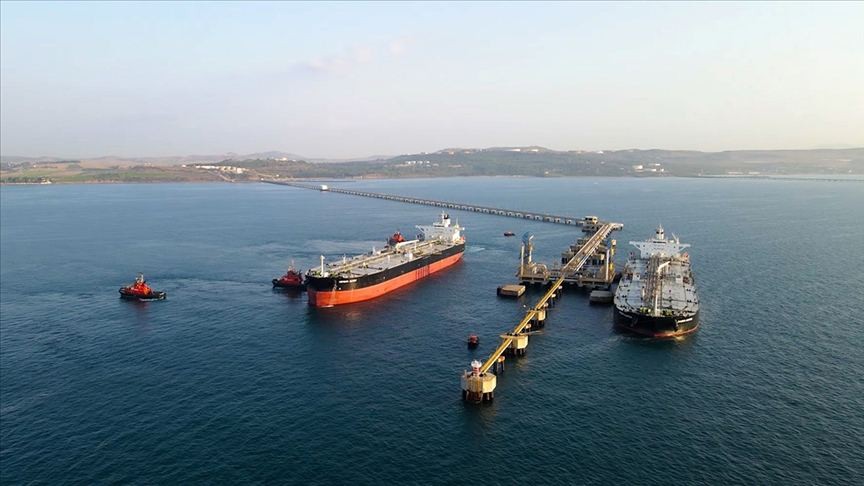
As the world grapples with increasing dependence on oil imports, the post-war trade dynamics in the Persian Gulf are undergoing a significant transformation. Exporters from this region, particularly those from the UAE, Saudi Arabia, and Iraq, are racing to bypass the strategic Strait of Hormuz by investing in alternative export routes.
The Strait of Hormuz has long been a critical chokepoint for oil exports, with over 20% of the world’s oil passing through it. However, the region’s oil producers are keenly aware that this narrow waterway is becoming increasingly vulnerable to disruptions due to ongoing tensions between Iran and its regional adversaries.
According to industry insiders, several major players in the region are actively exploring new pipeline infrastructure options to reduce their reliance on Hormuz. For instance, Saudi Arabia has been investing heavily in the development of its Red Sea port, which could potentially become a key transit point for oil exports.
A similar effort is underway by the UAE, where Abu Dhabi has partnered with several international companies to develop new pipeline routes that would enable it to bypass Hormuz altogether. The project aims to create a more diversified and resilient supply chain for the region’s oil exporters.
Meanwhile, Iraq is also working on expanding its own export infrastructure, including the development of pipelines in the Kurdistan Region and other parts of the country. This move is seen as an attempt to reduce its dependence on Hormuz and mitigate potential risks associated with disruptions to global energy markets.
These new routes could potentially transform the oil trade dynamics in the region, offering exporters more flexibility and reducing their reliance on the narrow Strait of Hormuz. As the world continues to navigate a complex web of geopolitics and market trends, it remains to be seen how these emerging export routes will impact the global energy landscape.
On the positive side, expanding pipeline infrastructure could help improve regional cooperation and create new opportunities for economic growth. However, there are also potential risks associated with this shift, including increased costs and logistical challenges.
For investors, the implications of these changes may be significant. As the oil trade evolves, it’s likely that we’ll see a more diversified mix of export routes and transit points, which could lead to new opportunities for growth in regions such as Africa and the Mediterranean.




0 Comments
Join the Conversation
Sign in to leave a comment and be part of the Pyrupay community.
Registration is free and takes less than a minute.