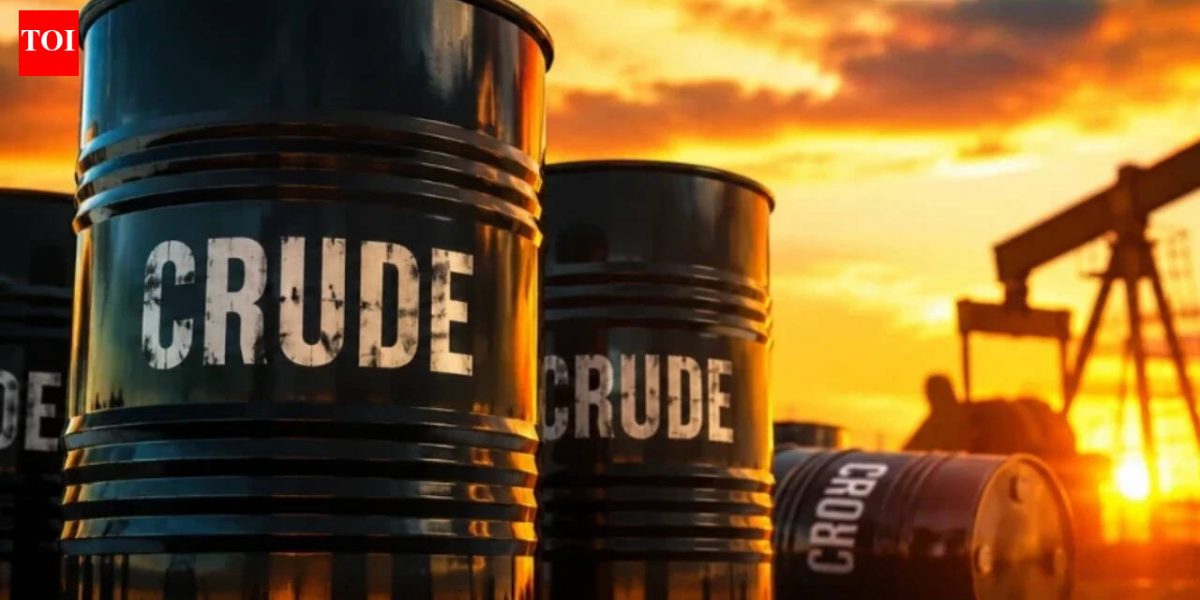
India’s crude oil imports have fallen by 3% in August compared to the same period last year, according to data released by the Petroleum and Natural Gas Regulatory Board (PNGRB). However, the import bill has increased by over 18%, highlighting the volatility in global energy markets.
The decline in crude imports can be attributed to a combination of factors, including reduced production from domestic refineries and higher import costs due to renewed hostilities in West Asia. The region has been experiencing increased tensions between Iran and Saudi Arabia, leading to supply chain disruptions and higher oil prices.
According to the PNGRB data, India’s crude imports stood at 23.9 million tonnes in August, down from 24.8 million tonnes in the same period last year. This decline is mainly attributed to reduced production from the country’s refineries, which have been operating below capacity due to maintenance and upgrading work.
The increase in import bill can be largely attributed to higher crude prices and transportation costs. With global oil prices rising due to renewed tensions in West Asia, India’s import bill has also seen a significant surge. The increase in transportation costs is mainly due to the increased use of spot markets for buying crude, which often lead to higher prices.
The government has been urging the industry to diversify its imports and explore other alternatives, such as importing crude from countries like Africa and Canada. However, this has been challenging due to higher costs and logistical complexities.
With global oil prices expected to remain volatile in the coming months, India’s energy sector is likely to face challenges in managing its import bill. The government will need to carefully monitor the situation and take necessary measures to ensure a stable supply of crude oil for the country’s refineries.
In related news, the Indian government has announced plans to explore the use of liquefied natural gas (LNG) as an alternative to crude oil in power generation. This move aims to reduce the country’s dependence on imported fuels and promote cleaner energy sources.
India’s reliance on imported fuels is a major concern for the environment and public health. The government has been working towards reducing its dependence on fossil fuels and promoting renewable energy sources. However, this remains an ongoing challenge due to high costs and limited technology.
Overall, India’s crude imports decline and increase in import bill highlight the need for careful planning and management of energy resources. With global oil prices expected to remain volatile, the government will need to take proactive measures to ensure a stable supply of crude oil for the country’s refineries.
For now, it remains to be seen how India will navigate these challenges and balance its energy needs with environmental concerns. As the situation continues to evolve, one thing is clear: the Indian energy sector must adapt to changing global dynamics and prioritize sustainable energy solutions.




0 Comments
Join the Conversation
Sign in to leave a comment and be part of the Pyrupay community.
Registration is free and takes less than a minute.