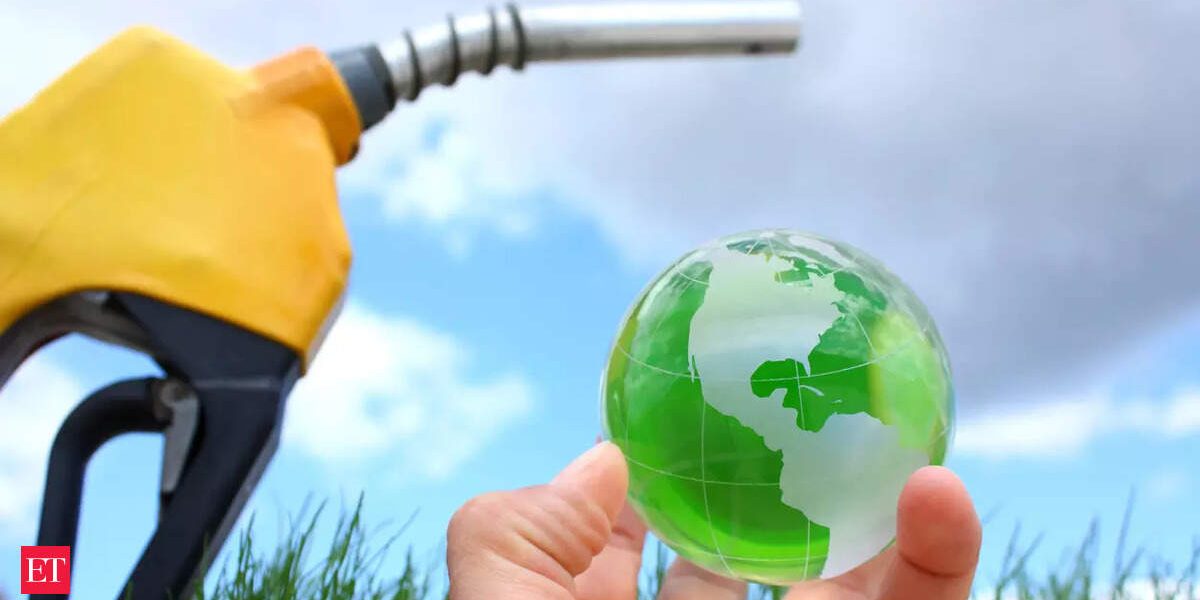
With the rollout of E85 fuel and policy changes to support mass flex-fuel deployment, India is attempting a unique approach to decarbonising road transport while extending the life of the internal combustion engine (ICE)
This strategy sets India apart from China and Europe, where cleaner mobility has consistently meant shifting away from conventional engines
The government’s plan aims to make E85 fuel, which contains 85% ethanol and 15% gasoline, more widely available, with a target of deploying flex-fuel vehicles across the country by 2025
Automakers in India are treading cautiously on this new development, citing concerns over the quality and availability of ethanol as well as potential impact on fuel prices
Consumers, too, seem unconvinced about the benefits of E85 fuel, with many preferring traditional gasoline
Experts are wary of the government’s strategy, highlighting that decarbonising road transport is a complex issue requiring significant investment in infrastructure and technology
India’s ethanol strategy has been welcomed by some in the industry, who see it as an opportunity to reduce dependence on fossil fuels and promote domestic production
“This is a step in the right direction,” said Suresh Kumar, chairman of the Indian Ethanol Association. “We need to support our farmers and promote ethanol production to reduce our reliance on imports.”
Despite these positive views, many experts remain skeptical about India’s ability to successfully implement this strategy
“It’s a complex problem with no easy solutions,” said Pawan Kumar Jha, an energy expert at the National Council for Climate Change. “We need to consider the bigger picture and prioritize sustainable development over short-term gains.”
As India moves forward with its ethanol strategy, it will be crucial to balance competing interests and priorities
“This is a test case for India’s ability to transition towards a low-carbon economy,” said Raghavendra Rao, director of the Indian Institute of Technology. “The outcome will have significant implications for our country’s future development.”
With the government’s support and investment, it remains to be seen whether India can successfully decarbonise its road transport sector while extending the life of the ICE
“We’ll have to wait and see how this strategy unfolds,” said Kumar. “It has the potential to be a game-changer, but we need to approach this with caution and careful planning.”
As India embarks on this ambitious journey, it is clear that the road ahead will be long and challenging
“This is just the beginning of a complex journey,” said Jha. “We’ll have to navigate many twists and turns before we reach our destination.”
For now, it’s too early to say whether India’s ethanol strategy will prove successful or not
But one thing is certain – the outcome will have significant implications for our planet and its future development
“The world is watching,” said Rao. “India has a unique opportunity to lead the way towards a low-carbon economy.



0 Comments
Join the Conversation
Sign in to leave a comment and be part of the Pyrupay community.
Registration is free and takes less than a minute.