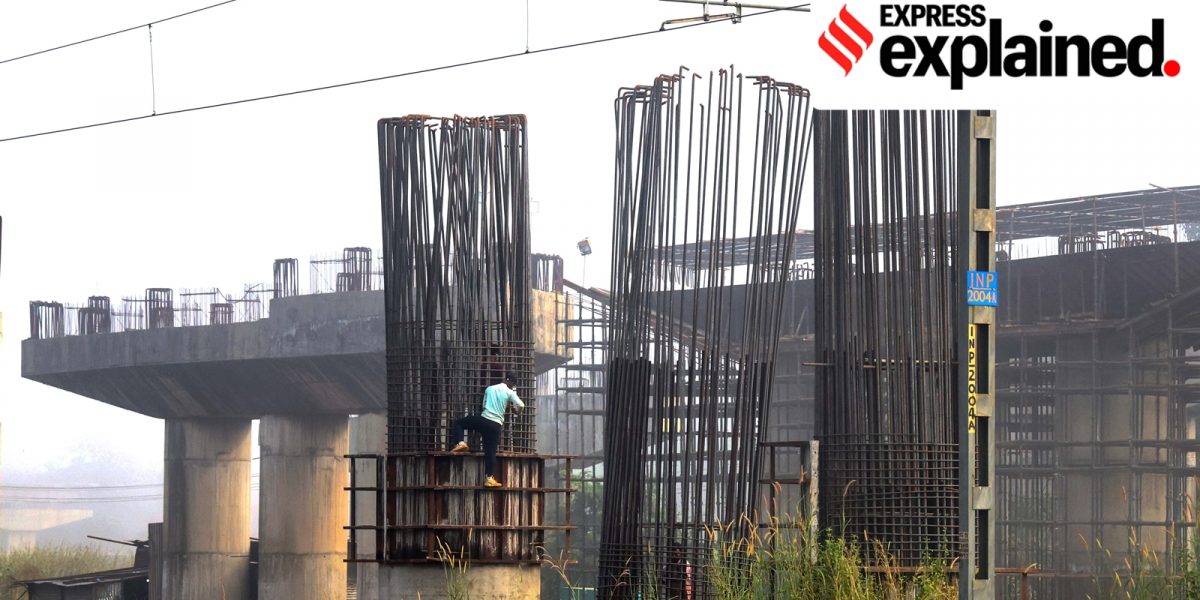
{
“headline”: “Mumbai-Goa Highway Expansion to Boost Freight Trade and Economic Growth”,
“content”:
The recent completion of a major highway connecting Mumbai and Goa has significant implications for India’s freight trade and economic growth. The Mumbai-Goa highway, also known as the National Highways Development Project (NHDP) phase IV, spans over 870 kilometers from Mumbai to Dabolim in Goa.
The section primarily facilitates the movement of a significant amount of freight, linking the Jawaharlal Nehru Port Terminal (JNPT) in Navi Mumbai, Dighi port via Mangaon, and Agardanda terminal and shipyard in Raigad through Indapur, for oil, chemicals, containers and bulk cargo.
The expansion of this highway has opened up new avenues for trade between India’s western coast and other parts of the country. The improved connectivity will enable faster movement of goods, reducing transit times and increasing efficiency in the logistics sector.
According to industry experts, the Mumbai-Goa highway is expected to boost freight trade by increasing access to major ports like JNPT and Dabolim. This, in turn, will create new opportunities for businesses and industries that rely on these ports for their operations.
The highway expansion has also been seen as a step towards reducing India’s reliance on foreign countries for oil imports. With the improved connectivity, India can now transport crude oil more efficiently, which will help reduce its dependence on international markets.
However, the benefits of this highway expansion are not limited to the freight sector alone. The improved infrastructure will also have a positive impact on tourism and real estate sectors in Goa, as it will make it easier for visitors to travel to the state.
In addition, the Mumbai-Goa highway is expected to create new job opportunities in the construction and logistics sectors. With the increased connectivity, more businesses will set up shop along the highway, creating a new wave of employment opportunities.
Despite these benefits, there are concerns about the environmental impact of this highway expansion. The construction process has led to deforestation and habitat loss in several areas, which has raised concerns among environmental groups.
In response to these concerns, the government has implemented measures to mitigate the environmental impact of the highway expansion. These include measures such as reforestation programs and habitat restoration initiatives.
As the Mumbai-Goa highway comes online, it is clear that this project will have a significant impact on India’s economy and trade patterns. With improved connectivity, India can now compete more effectively with other countries in the region and beyond.
The future of India’s logistics sector looks bright with the completion of this major infrastructure project. As the country continues to grow and develop, it is essential that we invest in our infrastructure to stay competitive in the global market.
In conclusion, while there are challenges associated with this highway expansion, the benefits far outweigh them. With improved connectivity, India can now move goods more efficiently, reducing transit times and increasing efficiency in the logistics sector.




0 Comments
Join the Conversation
Sign in to leave a comment and be part of the Pyrupay community.
Registration is free and takes less than a minute.