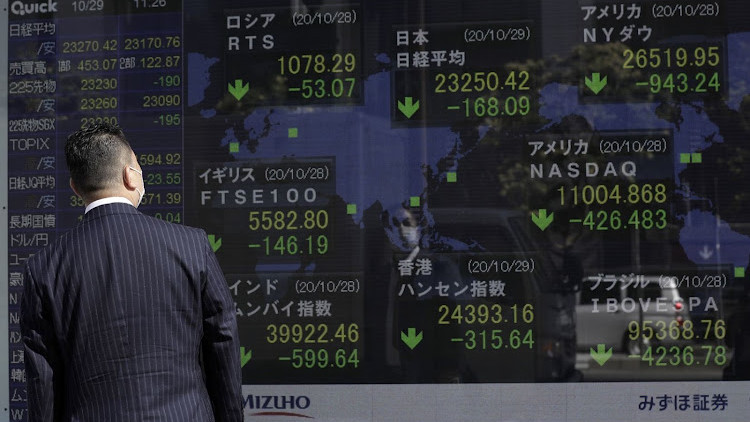
Oil prices rebounded 4% on Monday, pushing them toward $100 a barrel, amid fresh concerns over tensions in the Middle East. The rally came as investors sought to gauge the impact of the U.S. midterm elections on global energy markets.
The recent surge in oil prices has been driven by several factors, including the ongoing tensions between the United States and Iran. The Middle East is home to some of the world’s most significant oil reserves, and any escalation in tensions could lead to disruptions in supply chains. This, in turn, would likely drive up prices for oil.
The latest development comes on the heels of a report from the U.S. Energy Information Administration (EIA) that showed American oil production remained relatively stable despite an increase in demand. The EIA also noted that the United States is now the world’s largest oil producer, surpassing Saudi Arabia. However, this does not necessarily mean that the U.S. can control global oil prices.
The impact of the midterm elections on energy markets has been a subject of interest among investors and analysts. The midterms are seen as a bellwether for the direction of policy in Washington, including any potential changes to energy regulations or tax policies. If Democrats were to win the majority in both the House and Senate, it is likely that they would push for stricter environmental regulations.
One key area where Democrats could exert influence is in the oil and gas industry. The party has proposed a range of measures aimed at reducing greenhouse gas emissions from energy production, including increasing taxes on fossil fuels. This could have a negative impact on the profitability of oil companies and lead to a decrease in investment in the sector.
On the other hand, if Republicans were to win the majority, they would likely push for tax cuts that would benefit the oil industry. This could lead to an increase in production levels and a subsequent rise in prices. However, this is speculative and would depend on the specific policies implemented by the new administration.
The AI sector has also been hit hard by the recent developments. Shares of artificial intelligence companies have plummeted as investors become increasingly wary of the sector’s prospects. The decline is attributed to concerns over the ability of AI systems to operate without human oversight, which could lead to safety risks and regulatory issues.
Overall, the recent events in the U.S. midterms have created fresh uncertainty for energy markets and investors alike. As the situation continues to unfold, it remains to be seen how oil prices will respond to these developments.
For now, it seems that oil prices are poised to continue their upward trend as investors seek to gauge the impact of the midterm elections on global energy markets.



0 Comments
Join the Conversation
Sign in to leave a comment and be part of the Pyrupay community.
Registration is free and takes less than a minute.