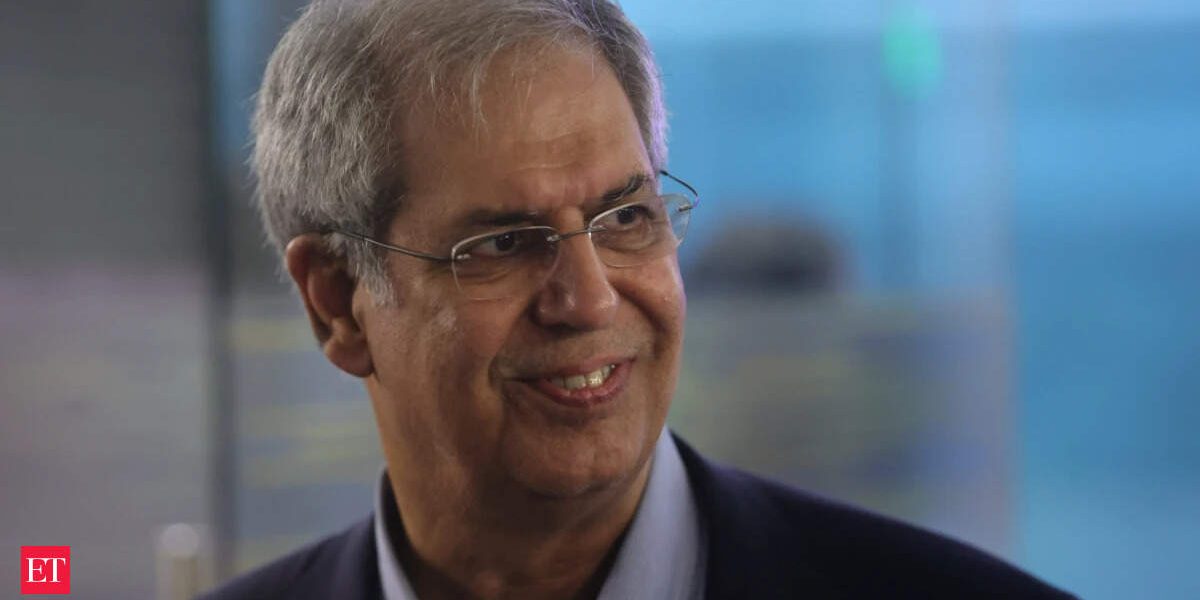
Tata Sons, the holding company of India’s largest conglomerate, is grappling with a critical decision: whether to go public or restructure. At the center of this debate is Noel Tata, the great-grandson of Tata Sons’ founder Jamsetji Tata. In a recent proposal, Noel suggested splitting the company into multiple entities as an alternative to listing its holding company on the stock exchanges mandated by the Reserve Bank of India (RBI).
The proposal seeks to create separate companies for each sector – such as Tata Steel, Tata Motors, and Tata Consultancy Services (TCS) – while keeping the commercial operations of these subsidiaries intact. This restructuring plan offers an alternative route to market, allowing the conglomerate to maintain its independence without listing its entire portfolio on public exchanges.
However, this proposal has sparked intense debate within Tata Sons’ board of directors. While some members support a public listing of the holding company as a way to raise capital and increase transparency, others are opposed to it due to regulatory complexities and potential impact on business operations.
On the other hand, Shapoorji Pallonji Group, which holds a significant stake in Tata Sons, has expressed support for a public listing. The group sees this move as an opportunity to monetize its holdings and gain access to capital markets.
A key challenge facing any restructuring plan is navigating through regulatory frameworks that govern company listings. The RBI’s guidelines on company listings provide the framework for any potential listing of Tata Sons’ holding company.
Additionally, commercial complexities will also need to be addressed. Any significant change in corporate structure may have a ripple effect on relationships with customers, suppliers, and other stakeholders. It would also require a comprehensive review of existing contracts and agreements.
Tata Group’s board is expected to take up this proposal soon, and the outcome will be closely watched by investors and market analysts alike. As one of India’s largest corporate families, Tata Sons’ restructuring plans have far-reaching implications for the entire business ecosystem.
The stakes are high, but if successful, any restructured entities could potentially achieve their goals without having to list on public exchanges. This would give the conglomerate more control over its operations and greater flexibility in responding to changing market conditions.
Tata Sons’ board members have been divided on this issue for some time now. While some see a listing as an opportunity, others are hesitant due to concerns about regulatory compliance and the potential impact on business operations.
The Tata Group has consistently maintained that it is committed to transparency and openness. Any restructuring plans would need to align with these principles while also ensuring that all necessary regulations are followed.
Tata Sons’ holding company structure has been in place for decades, and any changes would require significant reorganization efforts.
A public listing of Tata Sons could raise substantial capital, providing the conglomerate with the resources it needs to invest in growth initiatives. However, this move also carries risks associated with market volatility and potential losses if not managed properly.
The holding company’s ability to balance risk and return on investment would be critical in determining its success.
Tata Group is known for its long-term approach to business, but any decision regarding Tata Sons’ future will require careful consideration of regulatory requirements, stakeholder interests, and potential consequences.




0 Comments
Join the Conversation
Sign in to leave a comment and be part of the Pyrupay community.
Registration is free and takes less than a minute.