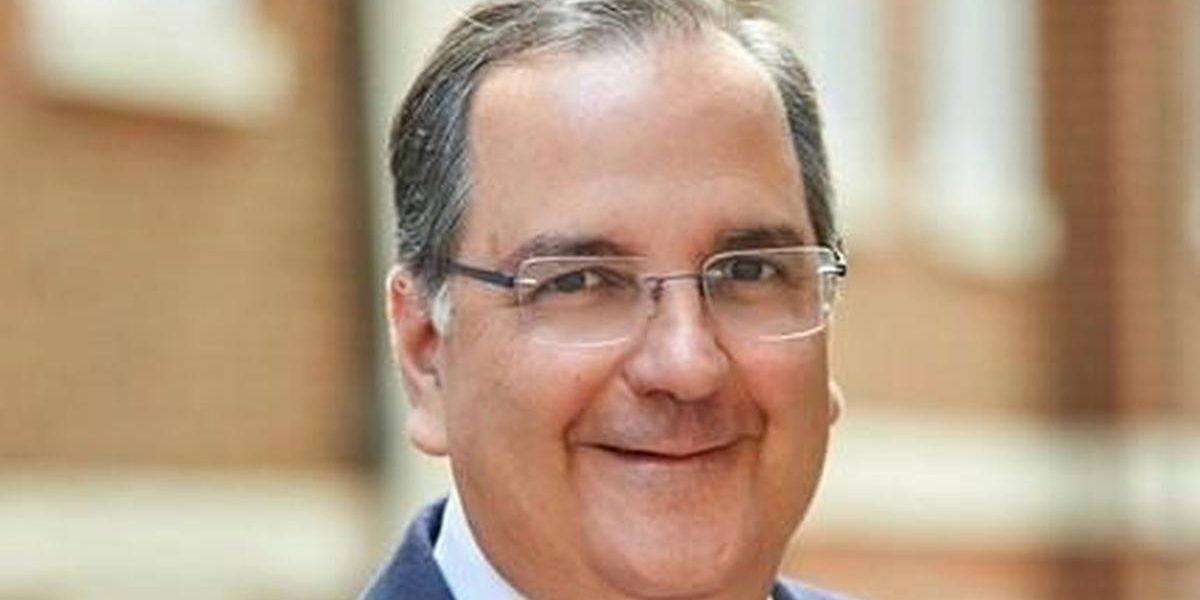
Chandrasekaran’s reappointment has sparked widespread criticism from corporate India stalwart Darius Khambata, with the veteran businessman alleging that it has ‘sullied’ Tata Sons and the image of the entire corporate sector.
Khambata’s scathing critique comes at a time when Tata Sons is facing intense scrutiny over its governance and leadership structure. The conglomerate, which is controlled by the Tata family, has been embroiled in several high-profile controversies in recent years, including allegations of corporate governance lapses and tax evasion.
Khambata, who is a prominent figure in Indian corporate circles, took to Twitter to express his disappointment over Chandra’s reappointment. He claimed that the move would send a ‘poor signal’ to foreign investors and erode confidence in India’s corporate sector.
‘The appointment of N Chandrasekaran as Chairman of Tata Sons on 17th September 2026 has sullied the image of Tata sons and Corporate India’, Khambata tweeted. The tweet also claimed that this move would send a ‘poor signal’ to foreign investors and erode confidence in India’s corporate sector.
Khambata’s comments have resonated with many in the business community, who share his concerns over Tata Sons’ governance structure and leadership.
The Tata family has maintained its grip on the conglomerate for decades, and Chandra’s reappointment has raised questions about the group’s future direction. While some have welcomed the move as a return to form for a company that was once seen as a model of corporate excellence, others are concerned that it may signal a decline in governance standards.
As the Tata family continues to navigate its legacy, it remains to be seen how Chandra will lead the company forward. One thing is clear, however: his reappointment has sent shockwaves through corporate India and has left many wondering about the future of Tata Sons.
The controversy surrounding Tata Sons’ governance structure and leadership has also raised questions about the role of non-executive directors in Indian corporate boards. Some argue that the absence of independent directors on the board will make it difficult for companies to navigate complex regulatory environments and make informed decisions.
‘A strong, independent, and professional Board is essential for a company’s success’, Khambata tweeted. ‘If Tata Sons fails to appoint an Independent Director in this regard, they would be sending a poor signal to the world and eroding confidence in Corporate India.’
The Twitter spat has also sparked a wider debate about corporate governance in India. While some argue that Tata Sons’ governance structure is outdated, others believe that it remains robust and effective.
As Tata Sons continues to navigate its legacy, one thing is clear: the controversy surrounding Chandra’s reappointment will be closely watched by investors, analysts, and business leaders alike. The company’s future direction will depend on how effectively it addresses these concerns and demonstrates its commitment to good governance practices.




0 Comments
Join the Conversation
Sign in to leave a comment and be part of the Pyrupay community.
Registration is free and takes less than a minute.