LPG Crisis in Coimbatore: A Threat to Hospitality Industry
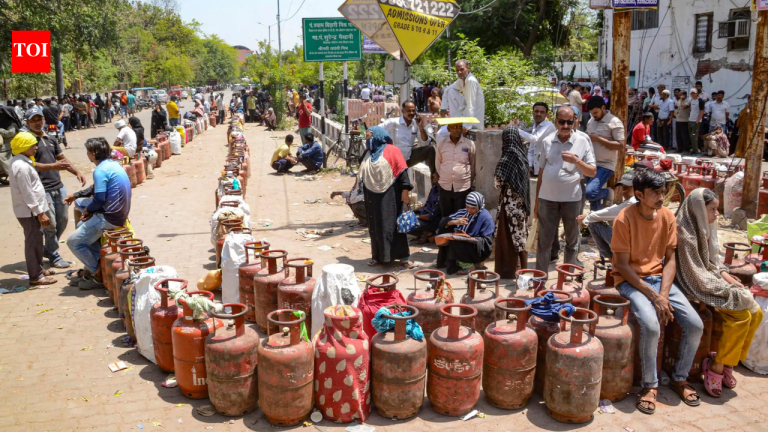
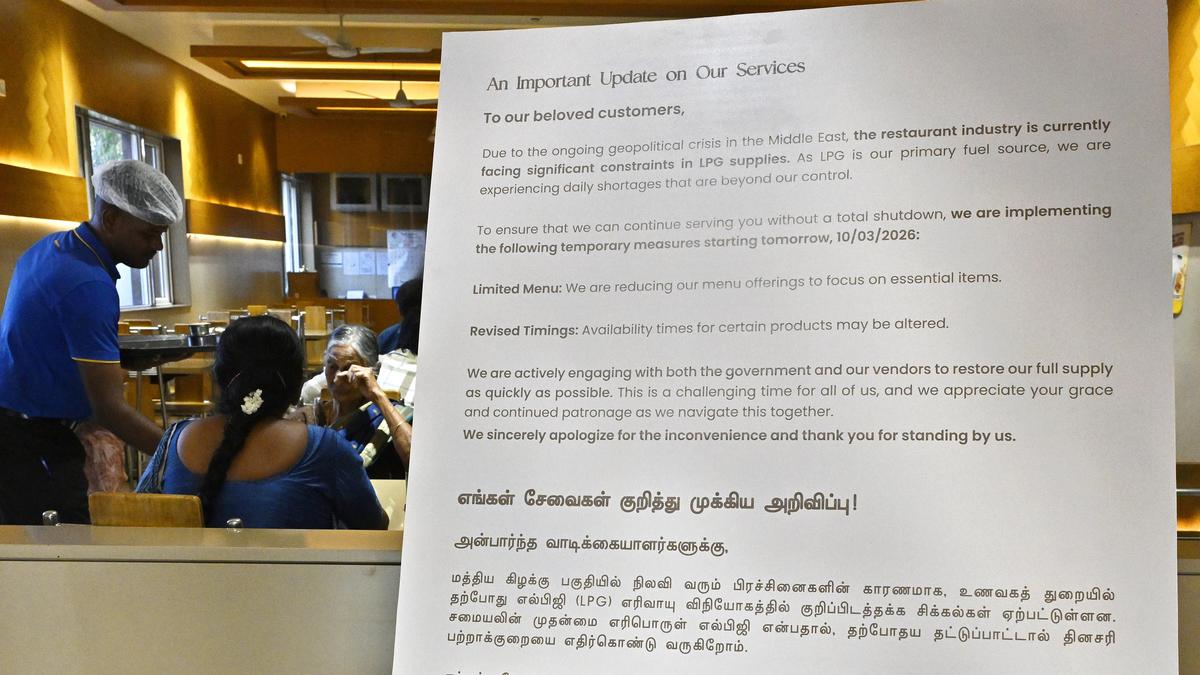
Coimbatore, a major tourist destination in Tamil Nadu, is facing an unprecedented crisis due to the current LPG cylinder shortage. The scarcity of LPG has forced many hotels and restaurants in the city to cut down on service timings and menu options.
The crisis in LPG supply has been caused by the ongoing tensions between Iran, the US, and Israel, which has led to a global shortage of LPG cylinders. Coimbatore, being a major hub for industrial activities, has been severely affected by this shortage.
- Several hotels in the city have either reduced their service hours or cut down on menu items due to the scarcity of LPG cylinders.
- The issue has also affected the restaurants and food establishments in the city, with many of them facing significant losses due to the shortage of fuel for cooking.
According to sources, some hotels have even resorted to using alternative fuels such as electricity or gas to power their kitchen equipment. However, this is not a viable solution for all establishments, especially those that rely heavily on LPG for their operations.
The LPG shortage has also had an impact on the local economy, with many businesses forced to shut down temporarily due to the lack of fuel.
Cause of the Crisis and Global Impact
The crisis in LPG supply is attributed to several factors, including the ongoing tensions between Iran, the US, and Israel. The conflict has led to a global shortage of LPG cylinders, which has resulted in a surge in prices.
Furthermore, the Indian government’s restrictions on importing LPG from certain countries have also contributed to the shortage. The government has imposed strict regulations on the importation of LPG to ensure that it is used solely for domestic consumption.
Impact on Consumers and Local Businesses
The shortage of LPG cylinders has had a significant impact on consumers, with many being forced to pay higher prices for fuel. Middle-class households are particularly affected by the shortage, as they rely heavily on LPG for cooking and heating purposes.
- Small-scale industries such as textiles and food processing have also been severely impacted by the shortage of LPG cylinders.
- The crisis has also led to job losses and economic instability in the region.
The government has assured that it is taking all necessary steps to address the crisis and ensure a stable supply of LPG to consumers. However, the situation remains grim, and many are still waiting for relief from the shortage.
Long-term Implications and Future Outlook
The long-term implications of the LPG shortage are uncertain, but experts warn that it could have significant effects on the economy and industry as a whole. The shortage could lead to increased prices for fuel and other essential commodities.
- The impact on small-scale industries could be severe, leading to job losses and economic instability.
- The crisis has also highlighted the need for diversification in the country’s energy mix, with many experts advocating for a greater reliance on renewable energy sources.
As the situation continues to unfold, it remains to be seen how governments and industries will respond to address the crisis. One thing is certain, however: the LPG shortage has left a significant dent in the economy and industry, and it will take time for consumers to recover from its impact.
About the Author