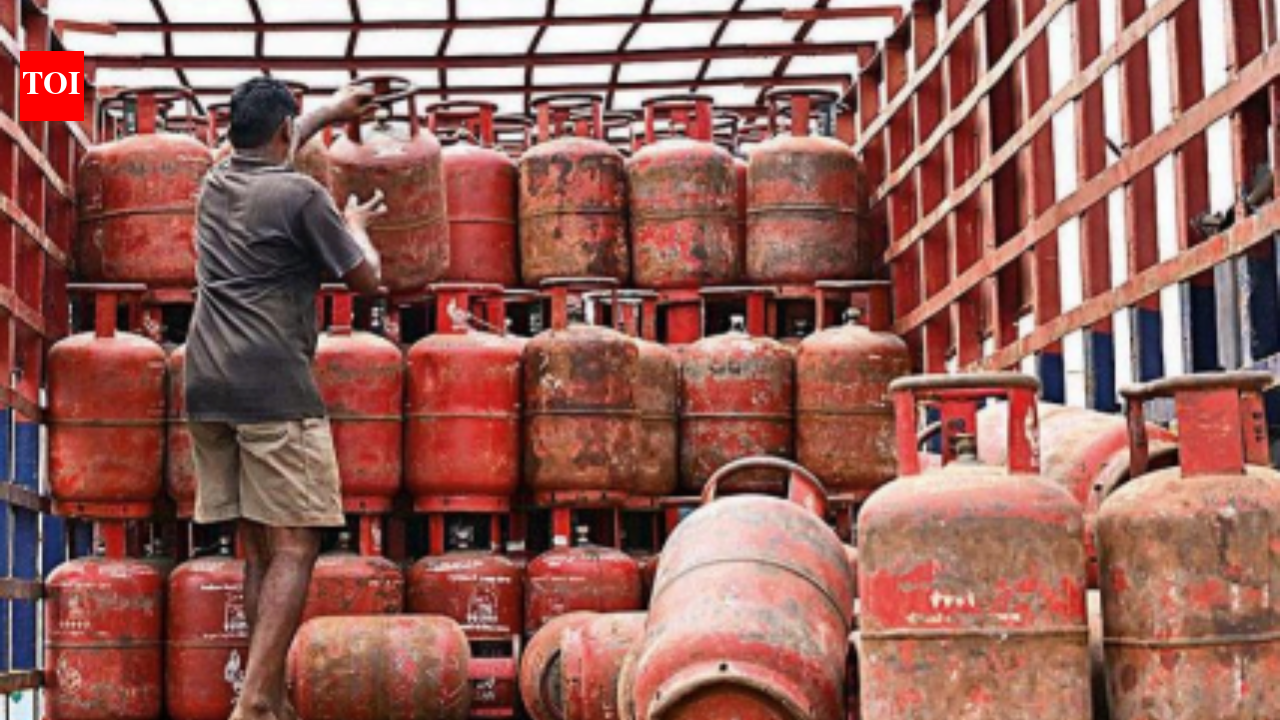
Amid growing pressure on domestic LPG supply, the Indian government has decided to crack down on consumers who maintain both piped cooking gas and LPG connections. The move aims to manage the supply of liquefied petroleum gas (LPG) efficiently, which has become a concern due to various factors including increased demand and reduced imports.
The government, in its efforts to reduce reliance on imported oil, has been promoting the use of domestic piped gas for cooking purposes. However, this shift has led to some consumers seeking alternative sources of energy, such as LPG refills, which have become more expensive due to the current market situation.
According to official sources, the government has clamped down on consumers who maintain both types of connections, restricting them from refilling their LPG cylinders through retail outlets. This move is expected to encourage consumers to opt for piped gas exclusively and reduce the demand for LPG refills.
The decision comes amid a surge in prices of LPG and other petroleum products, which has made alternative sources more attractive. The government’s move aims to mitigate the impact of these price hikes on the common man and ensure a stable supply of energy.
Industry experts say that this move is a step in the right direction towards promoting domestic gas usage and reducing dependence on imported oil. However, they also caution that it may have some unintended consequences, such as affecting small-scale users who rely heavily on LPG refills for their daily needs.
The government has assured consumers that alternative arrangements will be made available to those affected by the decision, ensuring that they do not face any inconvenience.
Market analysts predict that this move will lead to a gradual shift towards piped gas usage, benefiting both consumers and the economy in the long run. As the Indian government continues to promote domestic energy sources, it is likely to have a positive impact on the country’s energy security and sustainability.
However, the decision also raises questions about the feasibility of enforcing such restrictions, particularly in rural areas where access to piped gas is limited. The government will need to carefully consider these concerns while implementing its plan to manage LPG supply effectively.
About the Author