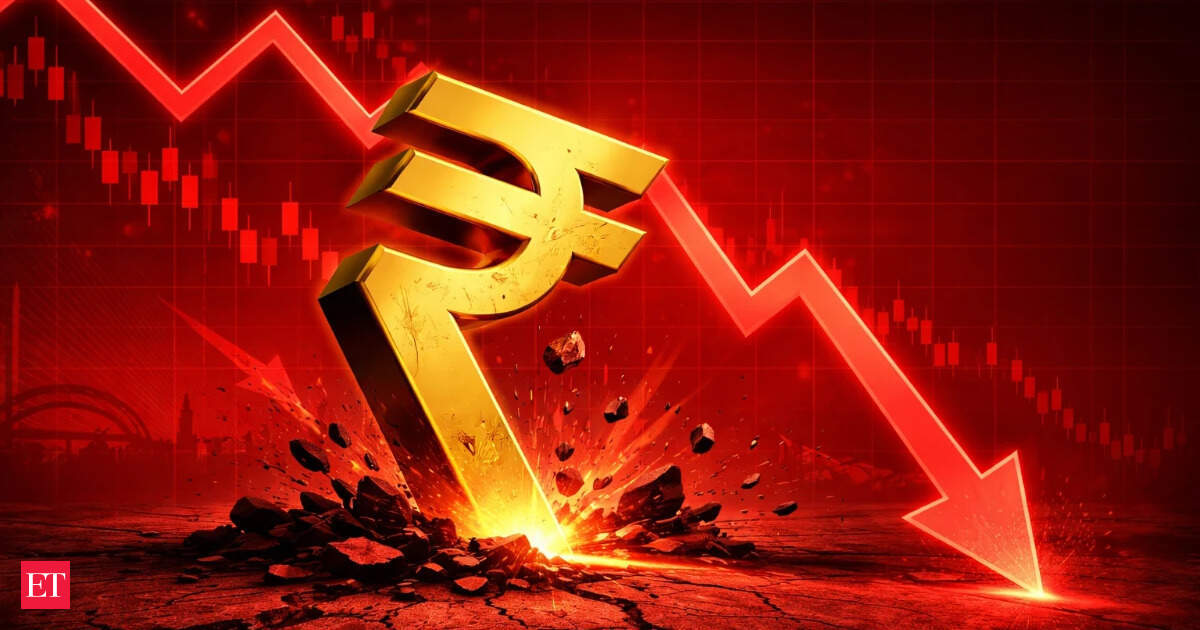
The Indian rupee has reached an unprecedented low against the US dollar, with its value plummeting to a record low. While this may seem like a favorable development for exporters, the simultaneous rise in raw material and energy costs is likely to negate these gains.
Industries such as textiles and leather might experience slight improvements due to the lower cost of imports, but others will grapple with inflated import bills. The impact on these sectors will be significant, with some companies already feeling the pinch.
The rise in raw material and energy costs is a major concern for exporters, who are facing increasing pressure to maintain their profit margins. The Indian government has taken steps to address this issue, but more needs to be done to support these industries.
The impact of the weaker rupee will also be felt by import-dependent sectors such as carpets and agro products. These industries will struggle to cope with the higher cost of raw materials, leading to increased prices for consumers.
Forward-looking implications are significant, with investors looking out for guidance from the government on how it plans to address these challenges. The Reserve Bank of India (RBI) has also been keeping a close eye on the situation, with Governor Shaktikanta Das stating that the bank will take steps to ensure price stability.
In conclusion, while the Indian rupee’s record low may seem like a positive development for exporters, it is clear that the simultaneous rise in raw material and energy costs poses significant challenges. The government and RBI must work together to address these issues and support industries that are struggling to cope with the higher cost of imports.
As the situation continues to unfold, one thing is clear: the impact of the weaker rupee will be felt across various sectors, from textiles to carpets and agro products. Investors and businesses must remain vigilant and take steps to mitigate any potential risks.
The Indian government’s response to this challenge will be crucial in determining the outcome. Will it take decisive action to support exporters and address the rise in raw material and energy costs, or will the negative impact of the weaker rupee prevail? Only time will tell.
About the Author