The world’s lithium market is experiencing a seismic shift as demand for the critical battery material surges, driving rapid production expansion and intensifying geopolitical competition.
According to the International Energy Agency (IEA), lithium demand has grown by over 50% in the past five years, with forecasts predicting an even more substantial increase in the coming decades.
The IEA attributes the surge in demand primarily to the rapid growth of the electric vehicle market, as countries around the world shift towards cleaner energy sources and governments set ambitious targets for reducing greenhouse gas emissions.
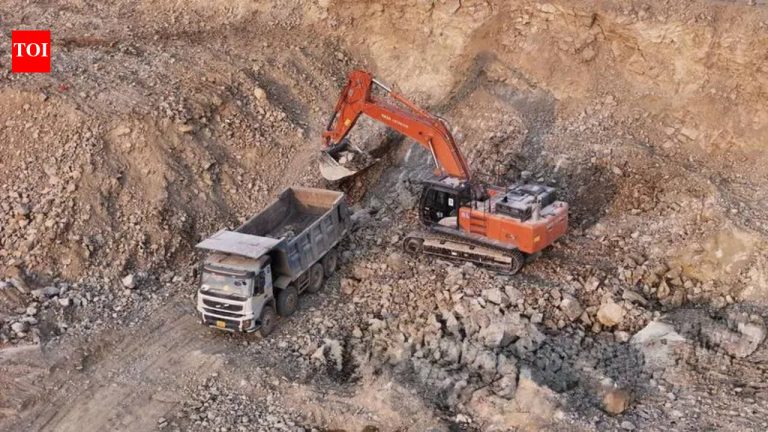
As a result, lithium producers are facing intense pressure to ramp up production and secure more sustainable and diversified supply chains. This has led to a flurry of investment in new mines and processing facilities across the globe.
In Chile, Argentina, and Australia, major mining companies such as Antofagasta, Glencore, and Kidman are investing heavily in lithium operations, taking advantage of existing deposits and seeking new ones to meet growing demand.
However, concerns about supply chain resilience and the environmental impact of lithium production have sparked calls for greater transparency and regulation.
The EU has announced plans to introduce a ‘Critical Raw Materials Act’, which would require companies to report on their sourcing practices and provide more detailed information on the origin of materials used in key products.
Meanwhile, smaller countries like Iceland and Norway are also seeking to develop their own lithium industries, leveraging existing expertise and natural resources to reduce dependence on larger producers.
This emerging landscape of competition and cooperation is set to have far-reaching implications for the global economy, as governments, investors, and consumers navigate the complexities of a rapidly changing energy market.
About the Author