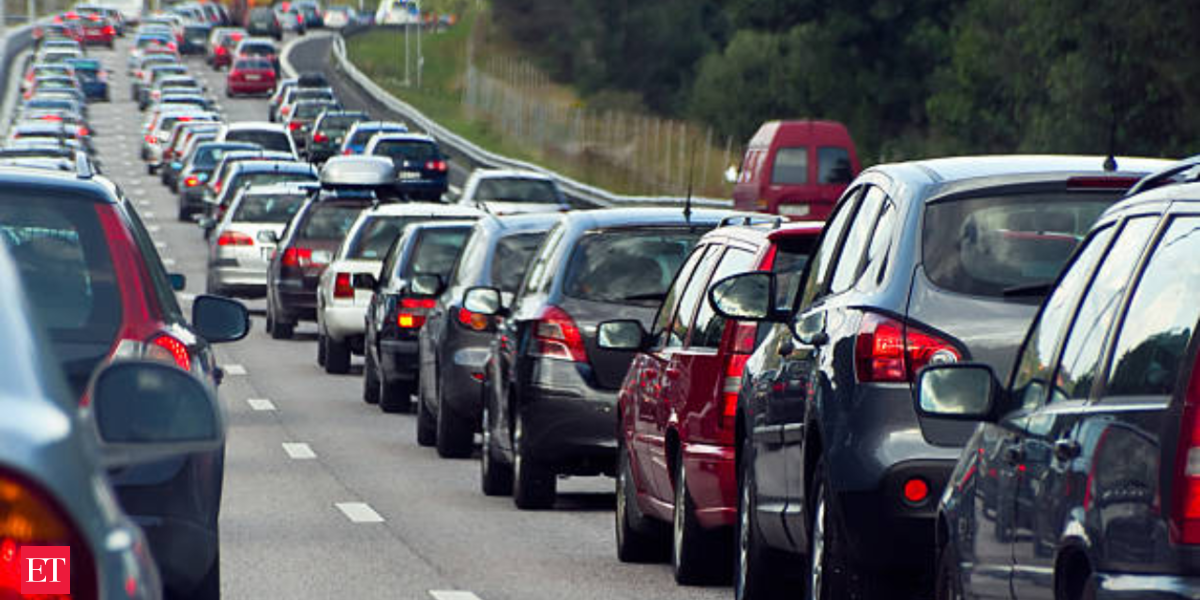
In a move that could significantly impact the Indian auto industry, upcoming Bharat Stage 7 (BS7) emission standards are set to force buyers of diesel-powered SUVs to reconsider their choices. The new norms, which will come into effect from April 2024, promise to drastically reduce emissions and improve air quality in the country.
Diesel engines have traditionally been a popular choice for Indian SUVs due to their torque and efficiency, making them ideal for long drives on India’s notorious highways. However, with the BS7 norms set to significantly increase costs associated with these vehicles, buyers are starting to lose interest in diesel-powered options.
Automakers, sensing this shift in demand, are now diversifying their powertrain options to cater to evolving customer needs and regulatory changes. Many companies are already exploring alternative fuels like compressed natural gas (CNG) and hybrid/electric options for their SUV models.
The impact of the BS7 norms on the Indian auto industry will be significant. With diesel engines set to become less competitive, automakers may choose to discontinue these powertrains altogether, which could lead to job losses in the sector. On the other hand, the shift towards cleaner fuels and alternative powertrains presents a new opportunity for companies looking to capitalize on the growing demand for electric vehicles.
According to industry experts, the BS7 norms will not only benefit the environment but also contribute to India’s economic growth by promoting the adoption of sustainable technologies. As the country looks to reduce its dependence on fossil fuels, the role of alternative powertrains in the Indian auto industry will become increasingly important.
The transition to cleaner fuels and alternative powertrains will not be easy, however. Many consumers are still wary of electric vehicles due to concerns over range, charging time, and affordability. To address these concerns, automakers will need to invest heavily in marketing campaigns and infrastructure development to support the adoption of these technologies.
Despite these challenges, many experts believe that the shift towards cleaner fuels and alternative powertrains is inevitable. As governments around the world implement stricter emission standards, countries like India are positioned to become major players in the global electric vehicle market. With the right strategies in place, the Indian auto industry can emerge from this transition stronger and more sustainable than ever before.
As the BS7 norms draw closer, one thing is clear: the future of diesel engines in Indian SUVs looks uncertain. While some automakers may choose to hold on to their traditional powertrains, others will see an opportunity to innovate and capitalize on the growing demand for cleaner fuels and alternative powertrains.
What do you think about the impact of BS7 norms on the Indian auto industry? Share your thoughts with us in the comments section below.

0 Comments
Join the Conversation
Sign in to leave a comment and be part of the Pyrupay community.
Registration is free and takes less than a minute.