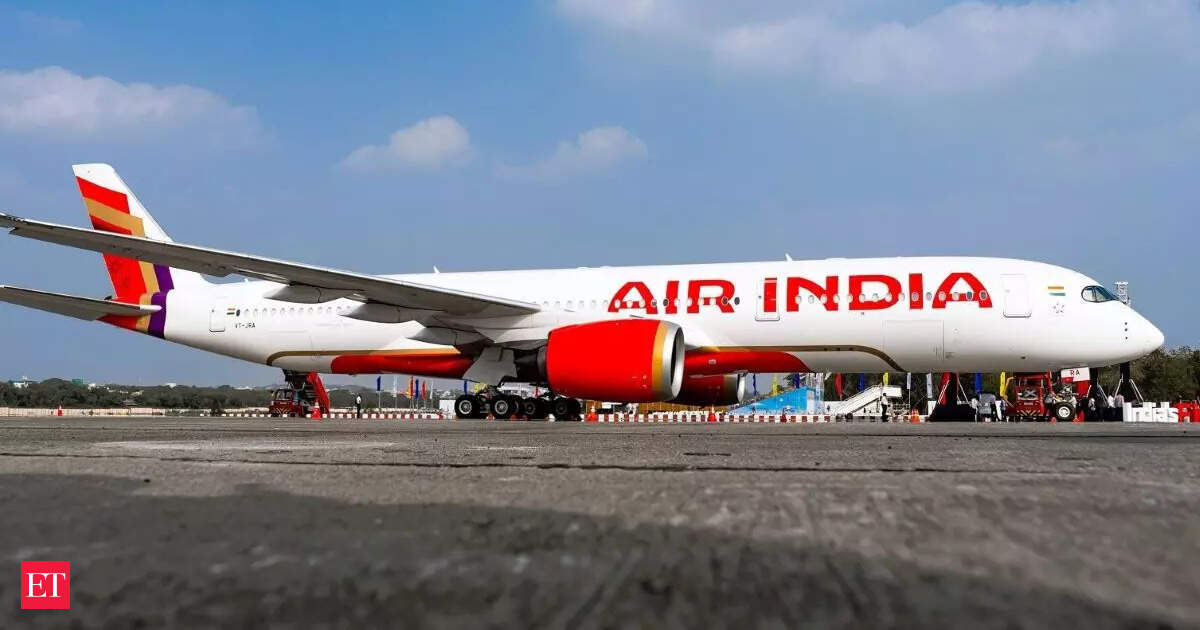
European aviation safety authorities have raised concerns over Air India’s safety standards after surprise checks at European airports revealed numerous lapses.
The Indian government’s Directorate General of Civil Aviation has stepped in, imposing corrective measures on the airline to address these safety issues.
Air India is working to improve its record, with recent inspections showing a decline in faults. The airline’s fleet age is cited as a contributing factor, with some aircraft dating back several decades.
According to the European Aviation Safety Agency (EASA), Air India’s safety standards were found to be ‘not compliant’ with international regulations during the surprise checks.
The agency has been working closely with the Indian government and Air India to identify the root causes of these lapses and implement corrective measures to ensure that the airline meets international safety standards.
Air India has a fleet of over 130 aircraft, many of which are older than 15 years. The airline has promised to replace or refurbish these aircraft as part of its efforts to improve its safety record.
The incident highlights the need for airlines to maintain strict safety standards, particularly in older fleets where maintenance and repair issues can pose a risk to passengers and crew.
Regulators and aviation experts are calling on airlines to prioritize safety and invest in modernizing their fleets. The European Union has also proposed new regulations to address the growing concern over aging aircraft and their impact on airline safety.
In the meantime, Air India is working to address these concerns and improve its safety record. The airline has promised to cooperate fully with regulatory agencies and implement all recommended corrective measures to ensure that its safety standards meet international regulations.
As part of its efforts, Air India has also announced plans to invest in modernizing its maintenance facilities and hiring more experienced maintenance personnel to ensure that its aircraft are airworthy at all times.
The airline’s commitment to improving its safety record comes after a series of high-profile incidents involving older aircraft. These incidents have highlighted the need for airlines to prioritize safety and invest in modernizing their fleets to meet international regulations.
Air India’s efforts to improve its safety record are seen as a positive step forward by regulators and aviation experts. However, the airline still faces significant challenges in addressing the root causes of these lapses and implementing corrective measures to ensure that its safety standards meet international regulations.
The incident is a reminder of the importance of ensuring that airlines maintain strict safety standards, particularly in older fleets where maintenance and repair issues can pose a risk to passengers and crew. Regulators and aviation experts are calling on airlines to prioritize safety and invest in modernizing their fleets to ensure that they meet international regulations.
Air India’s safety record has been a subject of concern for regulators and aviation experts in recent years. The airline has faced several high-profile incidents involving older aircraft, which have highlighted the need for airlines to prioritize safety and invest in modernizing their fleets to meet international regulations.
The incident is part of a broader trend of aging aircraft posing a risk to passenger safety. Regulators are working to address this issue through new regulations and initiatives aimed at encouraging airlines to modernize their fleets and improve their maintenance practices.
In the coming months, regulators will be watching Air India’s efforts to address these concerns and implement corrective measures to ensure that its safety standards meet international regulations. The airline’s commitment to improving its safety record is seen as a positive step forward by regulators and aviation experts, but it remains to be seen whether the airline can overcome the significant challenges it faces in addressing the root causes of these lapses.
Air India’s fleet age is a major contributing factor to the airline’s safety concerns. The airline has promised to replace or refurbish its older aircraft as part of its efforts to improve its safety record. However, this process will take time and significant investment.
The incident highlights the need for airlines to prioritize safety and invest in modernizing their fleets to meet international regulations. Regulators are working to address the growing concern over aging aircraft and their impact on airline safety. In the coming months, regulators will be watching Air India’s efforts to address these concerns and implement corrective measures to ensure that its safety standards meet international regulations.
The European Union has proposed new regulations to address the growing concern over aging aircraft and their impact on airline safety. These regulations aim to encourage airlines to modernize their fleets and improve their maintenance practices. The regulations also include new requirements for airlines to report safety incidents and near-misses, which will help regulators identify potential issues before they become major problems.
Air India’s commitment to improving its safety record is seen as a positive step forward by regulators and aviation experts. However, the airline still faces significant challenges in addressing the root causes of these lapses and implementing corrective measures to ensure that its safety standards meet international regulations. The airline has promised to cooperate fully with regulatory agencies and implement all recommended corrective measures to ensure that its safety standards meet international regulations.
Air India’s efforts to improve its safety record are part of a broader trend of airlines recognizing the importance of safety and taking steps to address their safety concerns. This trend is expected to continue in the coming years as regulators and aviation experts work together to address the growing concern over aging aircraft and their impact on airline safety.
Air India’s fleet age is cited as a contributing factor to the airline’s safety concerns. The airline has promised to replace or refurbish its older aircraft as part of its efforts to improve its safety record. However, this process will take time and significant investment.
The European Aviation Safety Agency (EASA) has been working closely with Air India and the Indian government to identify the root causes of these lapses and implement corrective measures to ensure that the airline meets international safety standards. EASA has praised Air India for its commitment to improving its safety record and has offered technical assistance to help the airline address its safety concerns.
The incident is a reminder of the importance of ensuring that airlines maintain strict safety standards, particularly in older fleets where maintenance and repair issues can pose a risk to passengers and crew. Regulators and aviation experts are calling on airlines to prioritize safety and invest in modernizing their fleets to ensure that they meet international regulations.
Air India’s efforts to improve its safety record are seen as a positive step forward by regulators and aviation experts, but it remains to be seen whether the airline can overcome the significant challenges it faces in addressing the root causes of these lapses. The airline has promised to cooperate fully with regulatory agencies and implement all recommended corrective measures to ensure that its safety standards meet international regulations.
The incident highlights the need for airlines to prioritize safety and invest in modernizing their fleets to meet international regulations. Regulators are working to address the growing concern over aging aircraft and their impact on airline safety. In the coming months, regulators will be watching Air India’s efforts to address these concerns and implement corrective measures to ensure that its safety standards meet international regulations.
Air India’s fleet age is a major contributing factor to the airline’s safety concerns. The airline has promised to replace or refurbish its older aircraft as part of its efforts to improve its safety record. However, this process will take time and significant investment. Air India has also announced plans to invest in modernizing its maintenance facilities and hiring more experienced maintenance personnel to ensure that its aircraft are airworthy at all times.
The European Aviation Safety Agency (EASA) has proposed new regulations to address the growing concern over aging aircraft and their impact on airline safety. These regulations aim to encourage airlines to modernize their fleets and improve their maintenance practices. The regulations also include new requirements for airlines to report safety incidents and near-misses, which will help regulators identify potential issues before they become major problems.
Air India’s efforts to improve its safety record are part of a broader trend of airlines recognizing the importance of safety and taking steps to address their safety concerns. This trend is expected to continue in the coming years as regulators and aviation experts work together to address the growing concern over aging aircraft and their impact on airline safety.
Regulators and aviation experts are calling on airlines to prioritize safety and invest in modernizing their fleets to ensure that they meet international regulations. The European Union has proposed new regulations to address the growing concern over aging aircraft and their impact on airline safety. These regulations aim to encourage airlines to modernize their fleets and improve their maintenance practices.
About the Author