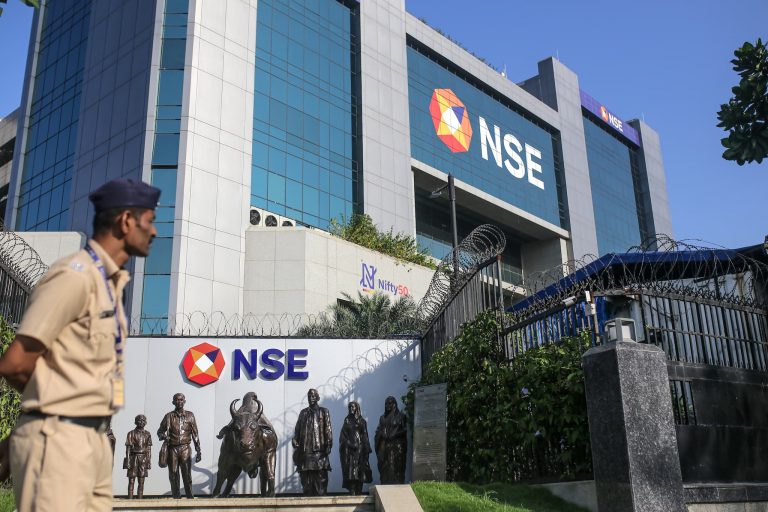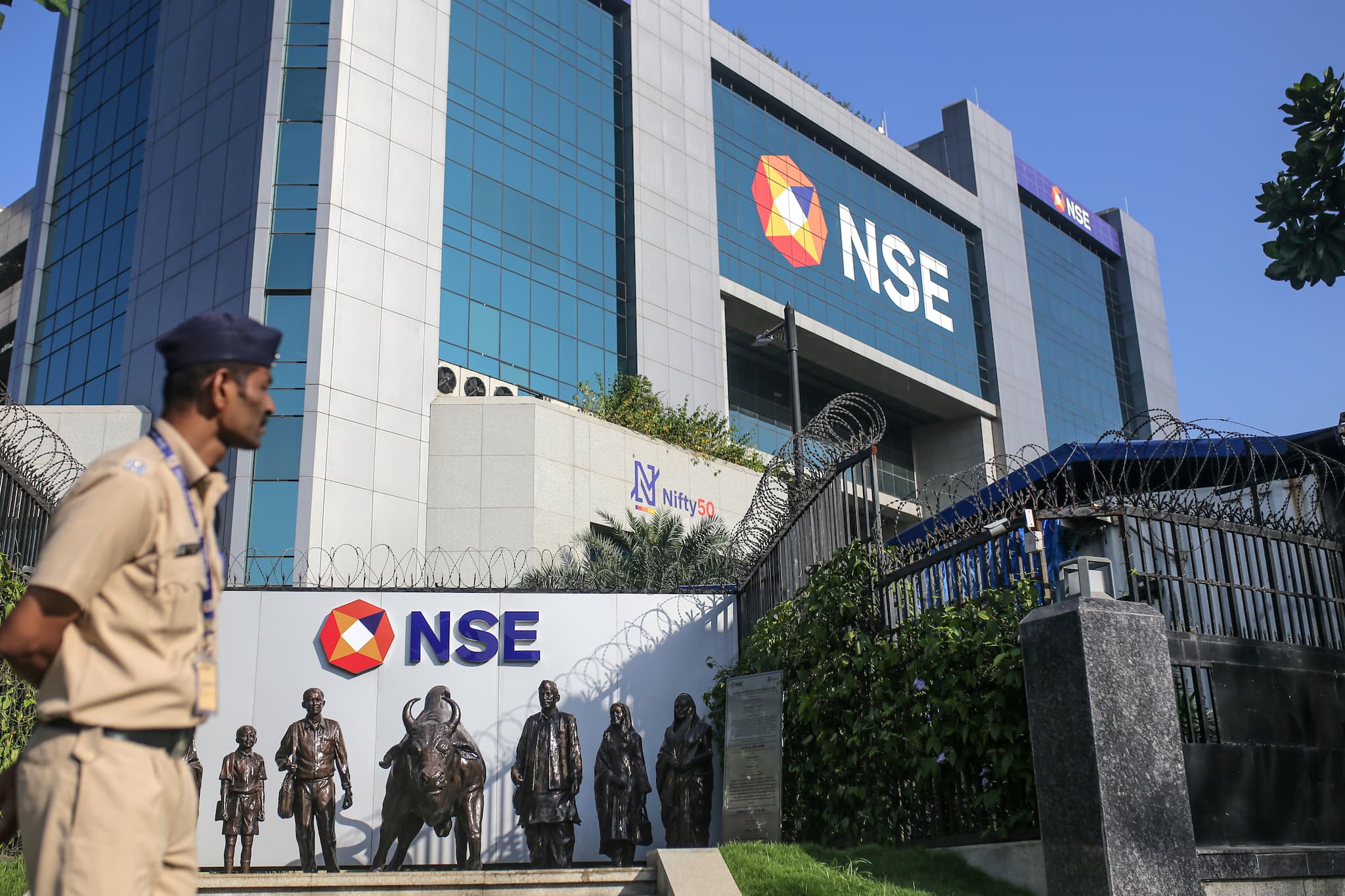
India’s equities have witnessed their steepest monthly outflow in history as foreign investors dumped a record $12 billion worth of stocks in March, according to data released by the Securities and Exchange Board of India (SEBI). This latest trend has put the country’s market on course for its worst monthly exodus ever, with total outflows this year already exceeding $13 billion and nearing levels seen during the COVID-19 pandemic.
The SEBI reported that foreign institutional investors (FIIs) sold a net $12.03 billion worth of Indian equities in March, marking the highest single-month outflow since February 2020. This is also the fourth consecutive month of significant outflows from the Indian market, which has seen foreign investors divest their holdings due to ongoing tensions between India and Pakistan over the Kashmir region.
The latest numbers are a significant departure from the trend observed in 2022 when foreign investors poured $13.5 billion into Indian equities. The sudden change in sentiment is attributed to increased volatility in global markets, coupled with rising concerns about India’s economic growth prospects.
Rajeshwar Singh, Head of Research at Motilal Oswal Financial Services, stated that the outflows are mainly driven by FIIs seeking returns in higher-yielding markets abroad. “The decline in oil prices has provided a boost to many economies, and investors have started shifting their focus towards these emerging markets,” he said.
However, experts caution that the trend is not necessarily a reflection of India’s economic health but rather a response to global market fluctuations. “While foreign investors do play an important role in shaping Indian equities, it’s essential to look beyond this one data point and consider other factors such as corporate earnings, inflation, and interest rates,” noted Sanjeev Baruah, Senior Economist at IDBI Bank.
The outflows have also raised concerns among domestic investors about the potential impact on India’s economic growth. “We need to ensure that our economy continues to attract foreign investment while maintaining a competitive edge in terms of returns,” said Arindam Bhaduri, Head of Research at Axis Asset Management.
Despite the negative sentiment, India’s stock market has shown resilience in recent months, with some experts attributing this to strong earnings growth and investor confidence in the country’s growth prospects. “The Indian economy is poised for a strong recovery, driven by factors such as a growing middle class, infrastructure development, and a favorable business environment,” said Sumeet Shahriyal, Research Director at JSW Securities.
As the situation continues to evolve, investors will be watching closely for any signs of improvement or further outflows. In the meantime, it’s essential to remain cautious and maintain a diversified investment portfolio that balances risk and returns.
About the Author