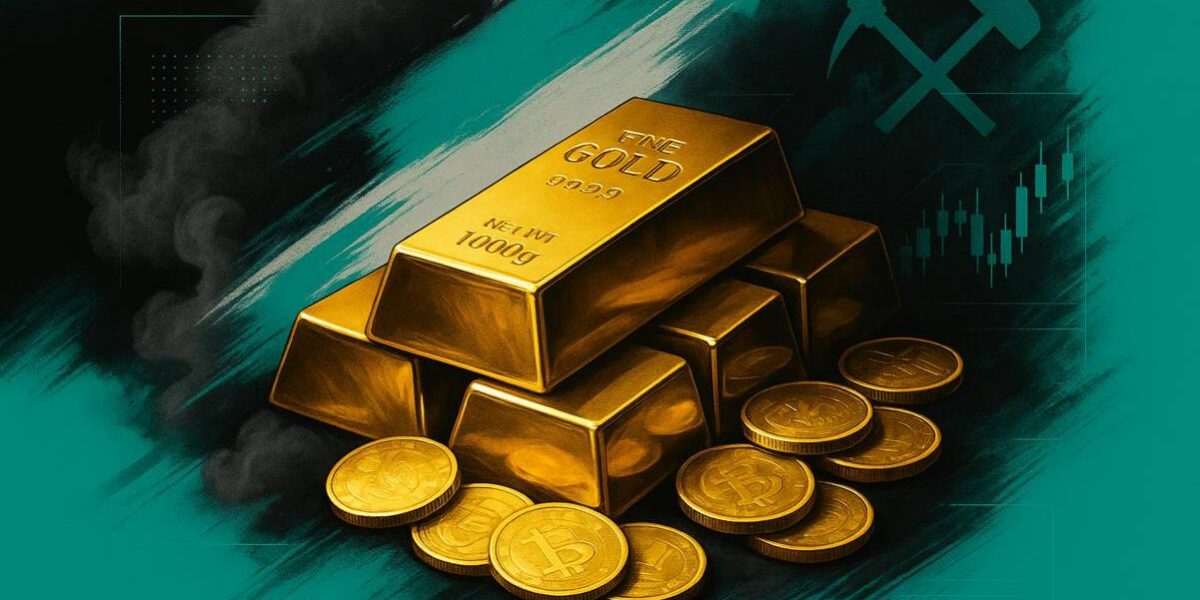
Gold prices are consolidating amidst a mixed assessment of rising oil prices and their potential impact on inflation, Federal Reserve policy, and the precious metal’s future trajectory.
The current uptick in oil prices has sparked concerns about the inflationary effects it may have on the global economy, leading some market players to reassess their gold price forecasts.
As traders weigh the chances of sustained oil price increases against potential Fed policy responses, gold prices have found themselves caught in a tight range between $1,800 and $2,000 per ounce.
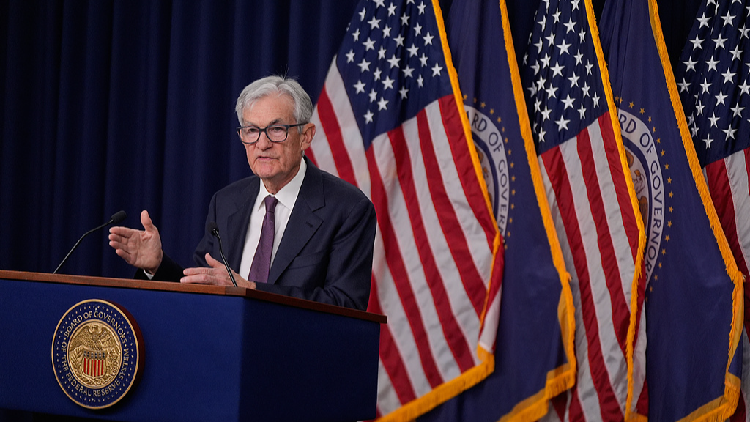
The main driver behind this price consolidation is the ongoing uncertainty surrounding the Federal Reserve’s next move on interest rates. While some investors believe that higher inflation could lead to increased interest rate cuts, others argue that the Fed may prioritize reducing its balance sheet instead.
Another factor at play is the looming US jobs report scheduled for later in the month. A strong employment figure could boost confidence in the economy and potentially push gold prices higher.
On the other hand, if the jobs report disappoints or indicates a slowdown in the labor market, it could lead to increased selling pressure on gold prices.
OPEC+ production cuts and ongoing supply chain issues have also been contributing factors to the recent volatility in oil markets.
For investors looking to benefit from rising inflation, some analysts suggest that holding gold or other precious metals may be a good strategy. On the flip side, those who expect interest rates to remain high for longer could view gold prices as overvalued and potentially due for a correction.
To better understand how these factors will play out and impact gold prices in the coming months, market analysts recommend keeping a close eye on key economic indicators such as inflation data, interest rate decisions by the Federal Reserve, and global oil production levels.
Overall, the outlook for gold prices remains uncertain, with some expecting the metal to consolidate further before breaking higher or lower. As traders navigate this complex landscape, they will need to weigh multiple factors and make informed decisions about their investment strategies.
In the short term, gold prices may continue to trade within a narrow range due to the ongoing balance between inflation concerns and Fed policy uncertainty. However, if the jobs report surprises markets or leads to a significant shift in interest rate expectations, gold could experience a breakout either higher or lower.
Ultimately, understanding the interplay between these key factors will be crucial for investors seeking to profit from the gold market in the months ahead.



0 Comments
Join the Conversation
Sign in to leave a comment and be part of the Pyrupay community.
Registration is free and takes less than a minute.