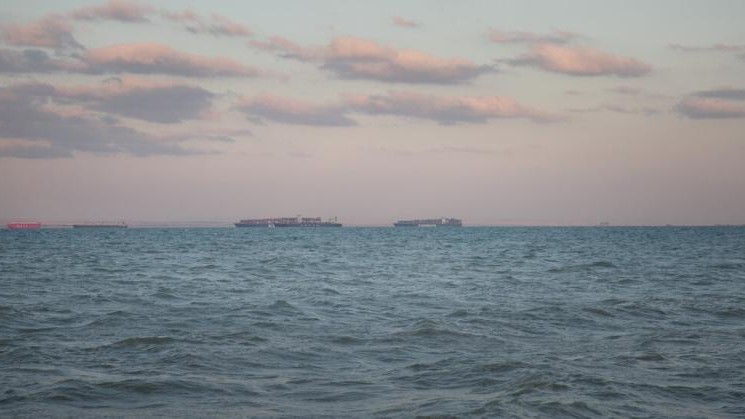
Oil prices are likely to remain higher for longer, according to analysts, as a combination of low inventories, limited refining capacity, and resilient demand leave governments with few options to ease market tightness.
The situation is dire for oil-producing nations, which are struggling to keep up with rising fuel demands. The Organization for the Petroleum Exporting Countries (OPEC) has already implemented production cuts in an effort to reduce global oversupply, but this move has had little impact on prices so far. In fact, recent data from the U.S. Energy Information Administration (EIA) showed that crude oil inventories have been declining steadily over the past few months, with a 3 million-barrel drop last week alone.
Refining capacity is also a major issue, as many oil refineries are operating at or near full capacity, leaving little room for additional production. This has resulted in reduced output and increased prices. The refining sector is also facing challenges related to labor shortages and supply chain disruptions, which have further exacerbated the situation.
Despite these challenges, demand remains resilient, driven by strong economic growth and a rebound in travel and transportation industries. This means that even if oil producers manage to increase production, it may not be enough to offset the existing supply constraints. As a result, prices are likely to remain higher than they were before the pandemic.
Governments are facing an uphill battle in addressing these issues. While some countries have implemented emergency measures to stabilize markets, such as setting price ceilings or providing subsidies, others have been more cautious, preferring not to intervene too aggressively. This is partly due to concerns about distorting market signals and creating dependencies on government support.
The higher-for-longer oil scenario has significant implications for consumers, businesses, and governments alike. For consumers, the increase in fuel prices means reduced purchasing power and increased costs. For businesses, it may lead to higher transportation and logistics expenses, which could eat into profit margins. Governments, on the other hand, face a difficult decision about how much to intervene to stabilize markets without distorting the underlying economic dynamics.
The outlook is grim, but not hopeless. As supply chains begin to recover from the pandemic-induced disruptions, we can expect to see some improvements in oil production and refining capacity over time. However, until then, prices are likely to remain higher than they were before 2020.
In conclusion, the higher-for-longer oil scenario is here to stay, driven by a perfect storm of low inventories, limited refining capacity, and resilient demand. Governments will need to tread carefully in addressing these challenges, finding a balance between stabilizing markets and avoiding distorting market signals.



0 Comments
Join the Conversation
Sign in to leave a comment and be part of the Pyrupay community.
Registration is free and takes less than a minute.