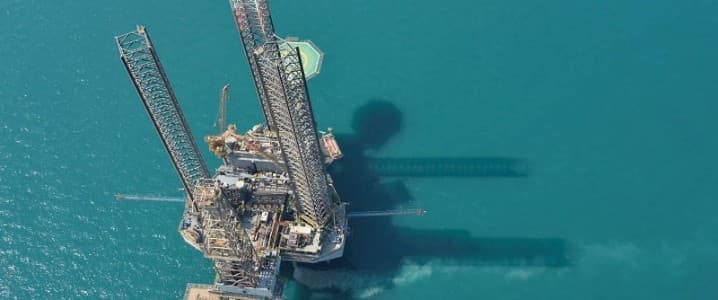
The Strait of Hormuz has become a focal point in the ongoing Middle East conflict. A major escalation could see Gulf oil producers deploying their ‘nuclear option’ to end the war, putting 15 million barrels/day of exports at risk.
This development comes as tensions between Iran and its regional rivals continue to escalate. The shutdown of the Strait of Hormuz has stranded a significant amount of oil exports, giving Gulf Cooperation Council (GCC) producers major leverage in the conflict. With the United States and other Western countries calling for de-escalation, the GCC may be forced to take drastic measures to protect their interests.
The ‘nuclear option’ refers to the shutdown of the Strait of Hormuz, a critical waterway that connects the Gulf of Oman to the Persian Gulf. This would have severe consequences for global oil supplies and prices. The GCC has repeatedly warned against any attempts by Iran or its proxies to disrupt oil exports through the region.
Iran’s actions in recent months have led to increased tensions with Saudi Arabia and the United Arab Emirates (UAE). These countries, along with the US, have been working to limit Iran’s influence in the region. The GCC has been a key player in this effort, using its economic might to pressure Tehran into compliance.
The potential shutdown of the Strait of Hormuz raises concerns about the global economy. A prolonged disruption to oil exports could lead to higher prices and reduced economic growth. The US, in particular, is closely watching the situation, as it relies heavily on Gulf oil imports.
Despite the risks, the GCC appears determined to protect its interests. With the help of Western countries, including the US, Saudi Arabia and the UAE are working to strengthen maritime security in the region. This includes the deployment of naval vessels and other measures to deter any attempts by Iran or its proxies to disrupt oil exports.
As the situation continues to unfold, one thing is clear: the GCC will not go down without a fight. With its ‘nuclear option’ at the ready, the region’s producers are preparing for a major showdown with Iran. The world holds its breath as it waits to see what will happen next.
About the Author