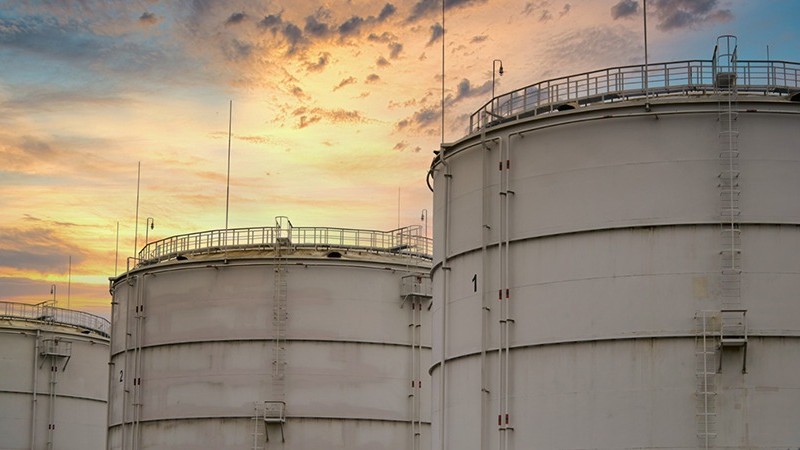
The oil market is bracing for a potential breaking point in weeks to come, with a leading analyst firm estimating that Brent crude could surge to $120–$130 per barrel this summer.
ING, the global economic research and consulting firm, has warned of a growing risk of supply disruptions in the Middle East, citing the ongoing tensions between Iran and the United States as a major concern.
The company’s analysts believe that if these tensions persist, it could lead to a significant increase in oil prices, putting pressure on Washington to secure a U.S.-Iran deal and mitigate the risk of a deeper global supply crunch.
ING estimates that if the situation does not improve, the global oil market could be facing a perfect storm of supply-side constraints, including reduced production from Venezuela and Iran, combined with increased demand from emerging economies.
These disruptions would not only impact the stability of the global energy market but also have far-reaching consequences for the broader economy, including higher inflation rates and slower economic growth.
As a result, ING is urging policymakers to take decisive action to address the underlying causes of these tensions, such as the ongoing arms embargo on Iran and the U.S. withdrawal from the Joint Comprehensive Plan of Action (JCPOA) nuclear deal.
Additionally, the firm recommends that countries diversify their energy imports and invest in alternative energy sources, such as renewable energy and nuclear power, to reduce dependence on oil and mitigate the risks associated with supply disruptions.
The oil market is already showing signs of increased volatility, with Brent crude prices surging by over 10% in the past month alone. While some analysts believe that this recent price surge may be due to a temporary correction, others warn that it could be a harbinger of a more sustained period of price increases.
As the situation continues to unfold, investors and policymakers will be watching closely for any developments that could impact oil prices and the broader economy. In the meantime, one thing is clear: the oil market is at a crossroads, and the choices made in the coming weeks and months will have far-reaching consequences for global energy markets and beyond.
“The situation is becoming increasingly complex, and we need to see some serious diplomatic efforts from Washington to de-escalate tensions and ensure the stability of the global energy market,” said ING’s chief economist, Hans Hofmeister. “We cannot afford to wait for a potential supply crisis to unfold; we need to take proactive steps to address these issues now.”
With the world watching, policymakers and business leaders will be grappling with the implications of these tensions in the coming weeks and months. One thing is certain: the oil market could be Weeks From a Breaking Point.



0 Comments
Join the Conversation
Sign in to leave a comment and be part of the Pyrupay community.
Registration is free and takes less than a minute.