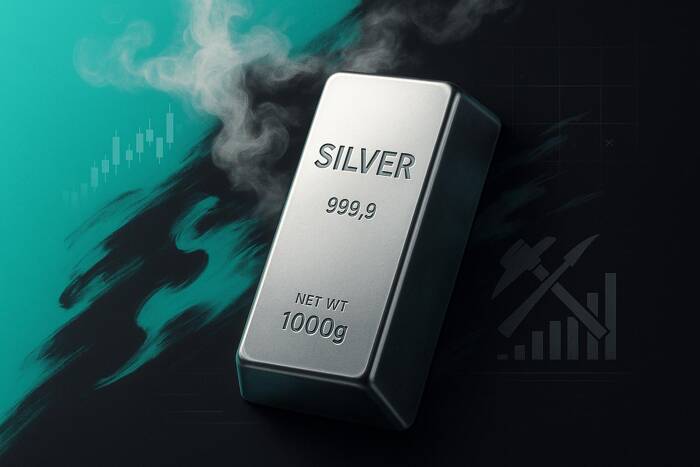
Silver prices have reached record highs, smashing past $56 per ounce and setting a new all-time high. The metal’s price surge is attributed to a combination of factors, including industrial demand, a four-year supply deficit, and rising Fed rate-cut bets.
Supply Squeeze Drives Demand for Silver
The current supply deficit in the silver market has led to increased demand from industrial consumers, such as solar panel manufacturers and electronics companies. This surge in demand has contributed to the record high prices seen in recent weeks.
According to data from the London Bullion Market Association, industrial demand for silver has increased by 10% year-over-year, with many of these purchases being made in anticipation of future supply disruptions.
Rising Fed Rate-Cut Bets Fuel Silver Rally
Meanwhile, rising bets on a rate cut by the Federal Reserve have also contributed to the silver rally. As interest rates are expected to decrease, investors are seeking safe-haven assets like silver, which is often used in industrial applications.
The Fed’s decision on interest rates has significant implications for the global economy and commodity markets. Any expectation of a rate cut would lead to increased demand for precious metals like silver, driving up prices.
Record Weekly Rally Sees Silver Prices Surge
The biggest weekly rally in the silver market since May has seen prices surge by over 5% last week. This significant increase in price has pushed silver to its highest level since August 2020, when it was also impacted by supply chain disruptions.
The record high in silver prices is a testament to the metal’s growing demand and the ongoing supply squeeze. As investors and consumers continue to seek out safe-haven assets, silver prices are likely to remain elevated for the foreseeable future.
Outlook for Silver Prices
A strong rally in silver prices has sparked hopes of a sustained uptrend. However, the outlook for the metal remains uncertain, with ongoing supply chain issues and market volatility posing risks to prices.
In the short term, prices are likely to remain supported by industrial demand and rising Fed rate-cut bets. However, any surprise supply disruptions or changes in global economic conditions could impact silver prices and lead to a correction in the market.
About the Author