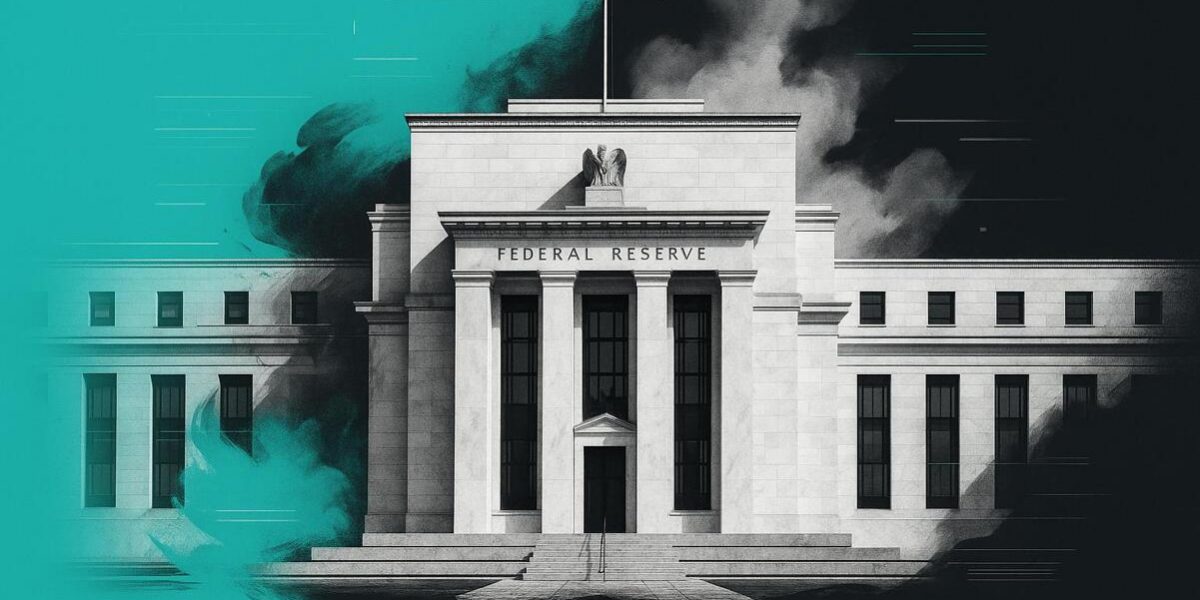
US interest rate forecasts have taken a sharp turn towards higher expectations following recent developments in the global economy. A surge in oil prices, coupled with strong spending on artificial intelligence, has fueled concerns about inflation and prompted market analysts to reassess their predictions for the Federal Reserve’s monetary policy decisions.
The Fed is expected to announce its decision on interest rates at its upcoming meeting in December, which could provide significant insight into the central bank’s stance on monetary policy. Historically, the Fed has taken a hawkish stance when oil prices rise and inflationary pressures increase, leading some analysts to predict that the Fed may opt for a rate hike in December.
One of the key drivers behind these forecasts is the surge in oil prices over the past few months. Oil accounts for approximately 10% of US consumer spending, which can have a significant impact on overall inflation rates. As a result, when oil prices increase, it can boost consumer spending power, leading to higher inflationary pressures.
Another factor contributing to the heightened expectations is the strong growth in AI spending. Artificial intelligence has become increasingly important for businesses across various sectors, from healthcare to finance. As AI adoption continues to grow, so too does its potential impact on labor markets and productivity. Strong AI spending can lead to concerns about job displacement and increased pressure on workers, which can contribute to higher inflation rates.
These factors have led many analysts to revise their forecasts for the Fed’s December interest rate decision. According to a recent survey by Bloomberg, 62% of economists now predict that the Fed will raise interest rates in December, while only 21% believe that rates will remain unchanged. The remaining 17% expect a cut in interest rates.
However, not all analysts share this optimism. Some have expressed concerns about the risks associated with a rate hike, particularly in light of rising inflationary pressures and the ongoing COVID-19 pandemic. These concerns center around the potential impact on consumer spending and economic growth.
Despite these differing views, one thing is clear: the Fed’s decision on interest rates will have significant implications for the US economy and financial markets. As such, investors and economists are closely watching developments leading up to the Fed’s meeting in December. With oil prices surging and strong AI spending driving inflation concerns, expectations of a rate hike in December are becoming increasingly widespread.
In conclusion, while there is no clear consensus on the Fed’s interest rate decision in December, one thing is certain: the surge in oil prices and strong AI spending have created an environment in which a rate hike becomes more likely. As such, investors and economists will be closely monitoring developments leading up to the Fed’s meeting, seeking any clues that might shed light on its intentions.
As the world grapples with rising inflationary pressures and shifting economic landscapes, one thing is clear: the US interest rate forecast has taken a sharp turn towards higher expectations. With oil prices surging and strong AI spending driving concerns about inflation, investors will be watching closely as the Fed makes its decision in December.




0 Comments
Join the Conversation
Sign in to leave a comment and be part of the Pyrupay community.
Registration is free and takes less than a minute.