\u00a0\u00a0
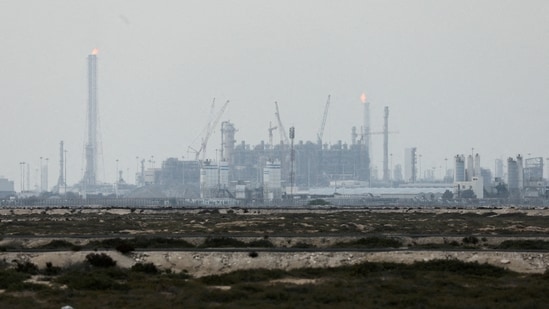
A wave of attacks on energy facilities in the Middle East has sparked tensions between regional powers, with Qatar vowing a “far more severe” response to any future strikes.
The latest incidents come after drones were intercepted near Saudi Arabia’s oil infrastructure. The country’s energy ministry confirmed that several drones were detected and shot down, but no damage was reported.
In a statement released on Tuesday, the Qatari foreign ministry warned that the country’s energy facilities were targeted in a coordinated attack on Monday night. Tehran has also issued a similar warning about its own energy infrastructure, with the Iranian foreign minister stating that “subsequent attacks against your energy infrastructure and that of your allies will not stop until their complete destruction”.
Qatar is heavily reliant on liquefied natural gas (LNG) exports to generate revenue, with around 17% of its total exports passing through Saudi Arabian ports. The country’s LNG output has been disrupted by the recent attacks.
The US and other Western nations have condemned the latest wave of attacks as “unacceptable” and called for calm in the region. Diplomatic efforts are underway to address the tensions, with talks taking place between regional leaders and international organizations.
The attacks on energy facilities have raised concerns about the stability of oil markets and the potential impact on global fuel prices. Analysts say that the situation remains fluid and that further incidents could exacerbate tensions in the region.
The exact circumstances surrounding Monday night’s attacks are still unclear, with officials stating that they were “coordinated” but refusing to comment on any possible perpetrators or motivations.
\u00a0\u00a0
In a statement released earlier this week, the Saudi Arabian government condemned the drone attacks and pledged to take action against those responsible. The kingdom has also bolstered its defenses in recent days, deploying additional military units to key locations along its borders with Yemen and Iraq.
The attacks on energy facilities come as regional tensions between Iran and Saudi Arabia continue to simmer. Diplomatic efforts have failed to ease the situation, with both sides maintaining a hardline stance on issues such as Syria and Yemen.
As the situation in the Middle East remains volatile, investors are being urged to remain cautious when making decisions about their portfolios. Analysts say that the attacks have increased uncertainty around energy markets and could impact the price of crude oil.
The global LNG market is already facing challenges due to supply disruptions and changes in demand patterns. The recent attacks on energy facilities in Saudi Arabia and Qatar have added another layer of complexity to an already complex picture.
A number of countries are now reviewing their security measures to protect against potential future attacks. This includes the implementation of new technologies and increased cooperation between nations to share intelligence and best practices.
About the Author