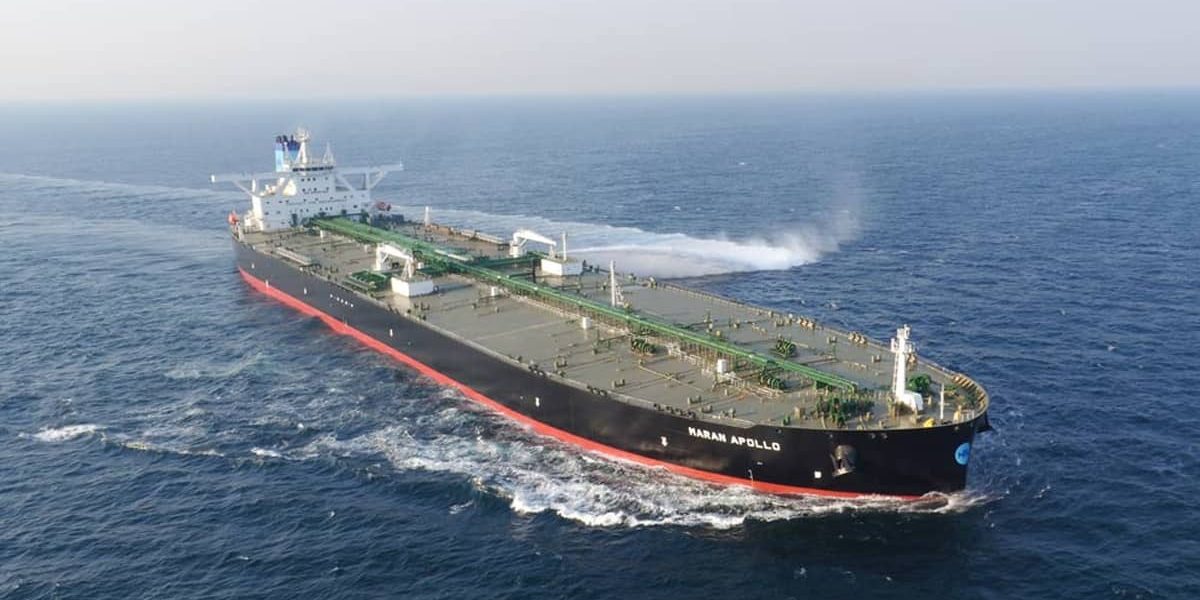
The Kingdom of Saudi Arabia is offering rare discounts to regain market share in the Asia-Pacific region, as Gulf oil producers engage in an increasingly aggressive price war.
Following the partial reopening of the Strait of Hormuz, which had been closed since January due to US-Iran tensions, oil prices have begun to fluctuate once again.
The move by Saudi Arabia is part of a broader strategy to reassert its dominance in the global energy market, which has seen increased competition from other Gulf producers such as the United Arab Emirates and Qatar.
According to industry sources, Saudi Aramco, the state-owned oil company, has begun offering significant discounts to Asian buyers in an effort to regain lost ground.
The renewed price pressure comes as global demand for oil continues to grow, driven by a recovering economy and increasing energy consumption in countries such as China and India.
Industry analysts say that the recent price surge is likely to have far-reaching implications for oil producers and consumers alike, with prices potentially rising further in the coming weeks and months.
The partial reopening of the Strait of Hormuz has significant implications for global energy security, as it allows oil tankers to bypass the region and reduce dependence on Middle Eastern supplies.
However, the move also raises concerns about the potential for increased tensions between Iran and its Gulf neighbors, which could disrupt oil flows and drive up prices further.
The situation is closely watched by investors and analysts, who are tracking developments in real-time as they unfold.
Market Impact
- Crude oil prices have surged in response to the renewed price pressure from Gulf producers.
- Investors are taking a cautious stance ahead of the Eid al-Fitr celebrations, which mark the end of Ramadan and the start of a traditionally busy period for Asian markets.
- The partial reopening of the Strait of Hormuz has reduced dependence on Middle Eastern supplies, but increased tensions in the region could have far-reaching implications.
Industry Insights
Saudi Aramco’s aggressive pricing strategy is part of a broader effort to reassert its dominance in the global energy market.
The UAE and Qatar are also increasing their marketing efforts to attract Asian buyers, but Saudi Arabia’s state-owned oil company remains the dominant force in the region.
Industry analysts say that the renewed price pressure is likely to have a lasting impact on the global energy landscape.
Risk Outlook
The partial reopening of the Strait of Hormuz has reduced dependence on Middle Eastern supplies, but increased tensions in the region could disrupt oil flows and drive up prices further.
Investors are taking a cautious stance ahead of the Eid al-Fitr celebrations, which mark the end of Ramadan and the start of a traditionally busy period for Asian markets.
The situation is closely watched by investors and analysts, who are tracking developments in real-time as they unfold.



0 Comments
Join the Conversation
Sign in to leave a comment and be part of the Pyrupay community.
Registration is free and takes less than a minute.